Compression Legwear in Harlingen: A Practical Guide to Finding the Right Fit and Support
Looking for compression legwear in Harlingen? MacPherson's Medical Supply provides personalized fitting and product options for your routine.
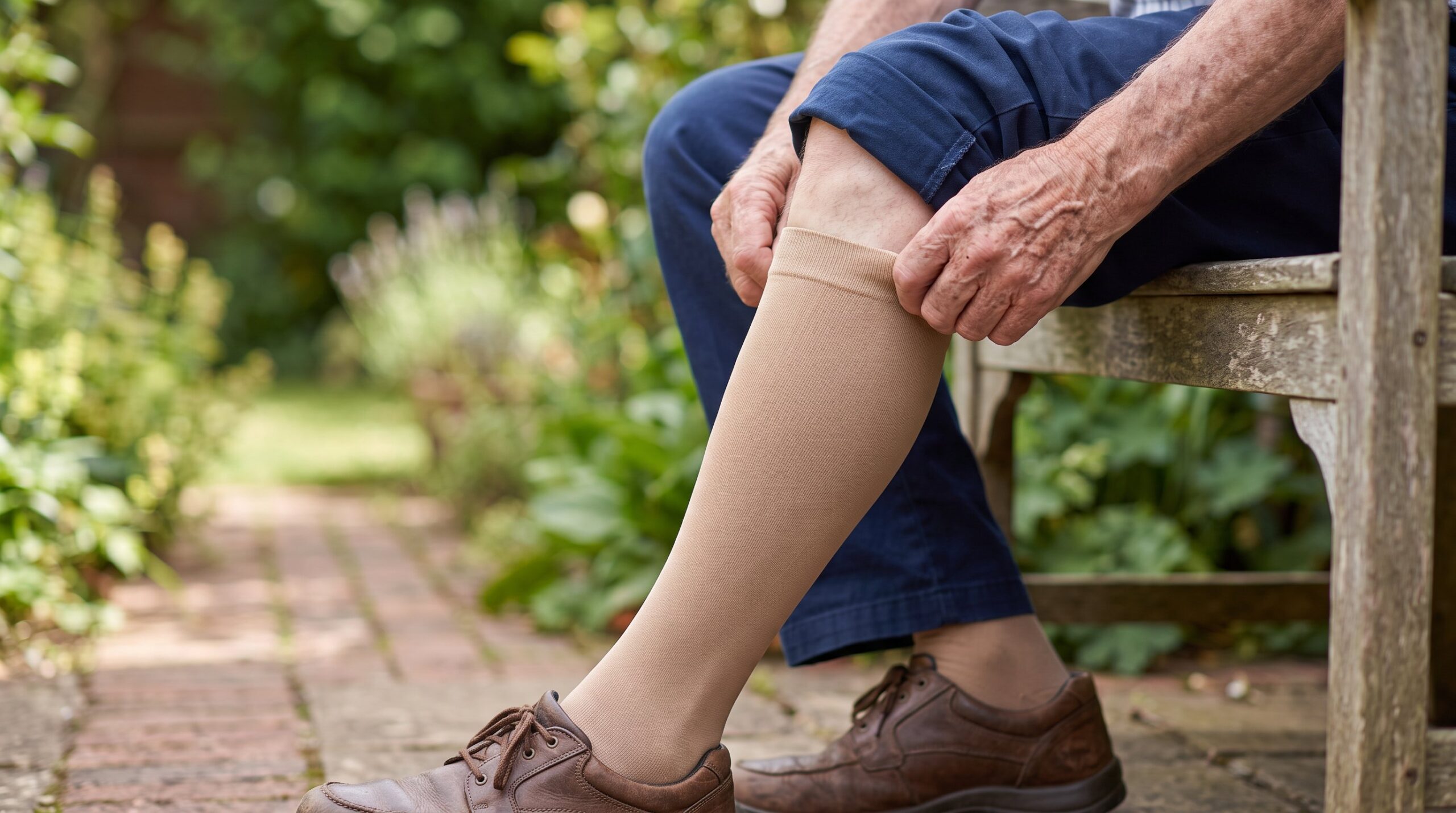
Compression legwear applies gentle, graduated pressure to help improve circulation and ease tired, heavy, or swollen legs. For the best results, choose the correct compression level and size with guidance from a qualified professional.
With that in mind, heavy, tired, or swollen legs can make an ordinary day feel much longer. If you're searching for compression legwear in Harlingen, the right garment can provide comfortable support, but pressure level, sizing, and proper use all matter.
That’s where MacPherson's Medical Supply can help. We assist Rio Grande Valley residents in choosing medical supplies that fit their needs and daily routines. As a family-owned company trusted for over 80 years, we offer personalized guidance in Harlingen, so you don’t have to make this decision alone.
How Compression Legwear Supports Circulation and Everyday Comfort in Harlingen
Compression legwear applies controlled pressure to the legs. The pressure is generally strongest near the ankle and gradually decreases higher up the leg. This graduated design helps support blood flow back toward the heart rather than allowing blood to collect in the lower legs.
Compression does not work alone, though. Every time you take a step, your calf muscles contract and squeeze the deep veins, pushing blood upward. Physiologists call this the calf muscle pump, or the body’s “second heart.” Graduated compression narrows the veins slightly, helping each contraction move blood more efficiently. That is why compression often provides the most support during activity or extended periods of sitting or standing—and why light movement still matters while wearing it. According to the Cleveland Clinic, compression therapy can improve blood flow and ease pain and swelling in the legs, ankles, and feet by helping prevent blood and fluid from pooling.
For people in Harlingen, compression legwear may help:
-
Reduce feelings of heaviness, fatigue, or mild swelling
-
Improve comfort during long work shifts and everyday errands
-
Support the legs during exercise, air travel, and drives throughout the Rio Grande Valley
-
Provide everyday support for healthcare workers, teachers, travelers, office employees, retail workers, and others who spend hours sitting or standing
Compression garments come in different pressure levels and designs, so stronger is not automatically better. We encourage Harlingen customers to consider their symptoms, medical history, and healthcare provider’s recommendations before selecting a product. A properly fitted garment should feel supportive without causing pain, numbness, or skin discoloration.
Who May Benefit From Wearing Compression Garments
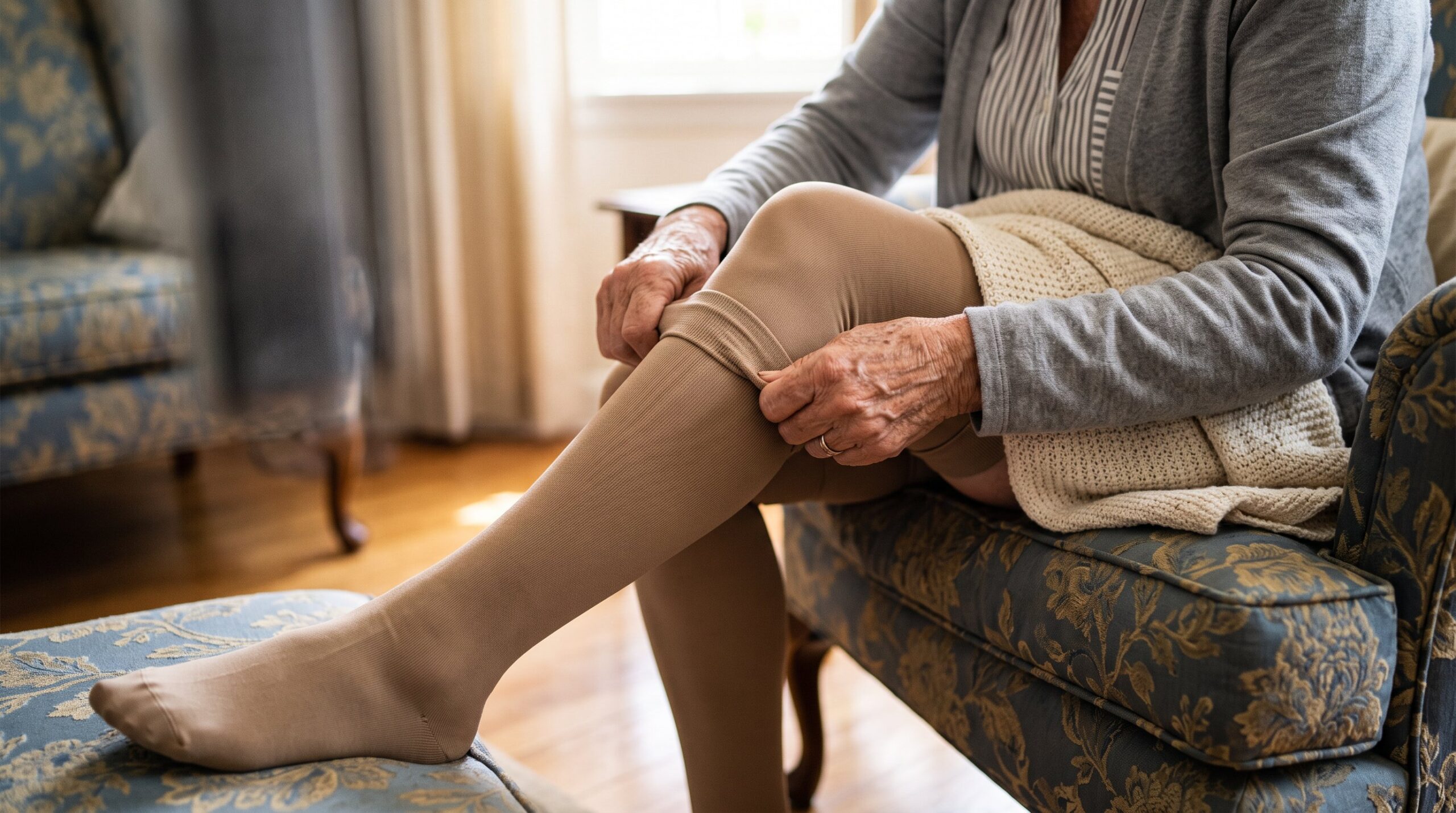
Compression garments may be recommended for people with leg swelling, varicose veins, circulation concerns, or tired and aching legs. They’re also commonly considered during pregnancy, after certain medical procedures, or for long trips where movement is limited.
|
Situation or condition |
Potential benefit or recommended action |
|---|---|
|
Standing throughout the workday |
Lighter compression may provide everyday support for tired, aching legs. |
|
Long trips with limited movement |
Compression garments may help support circulation during prolonged sitting. |
|
Pregnancy |
A healthcare professional may recommend compression for swelling or leg discomfort. |
|
Varicose veins or venous disease |
The appropriate compression level should be selected with clinical guidance. |
|
Lymphedema or post-surgical swelling |
Medical-grade garments may be required under the direction of a physician or qualified clinician. |
|
Peripheral arterial disease, severe circulation impairment, uncontrolled heart failure, significant neuropathy, active skin infection, or unexplained swelling |
Consult a healthcare professional before using compression garments. |
|
Sudden one-sided swelling, pain, warmth, redness, chest discomfort, or shortness of breath |
Seek prompt medical attention rather than purchasing compression garments. |
People who stand throughout the workday may appreciate lighter everyday support. Someone managing lymphedema, venous disease, or post-surgical swelling, however, may require a medical-grade garment selected with guidance from a physician or qualified clinician.
Compression isn’t appropriate for every person or condition. Anyone with peripheral arterial disease, severe circulation impairment, uncontrolled heart failure, significant neuropathy, an active skin infection, or unexplained swelling should speak with a healthcare professional first. Sudden swelling—especially when it affects one leg or occurs with pain, warmth, redness, chest discomfort, or shortness of breath—requires prompt medical attention rather than a trip to buy socks.
Our role as a local medical supply team is to help you understand available products while respecting the treatment plan established by your healthcare provider.
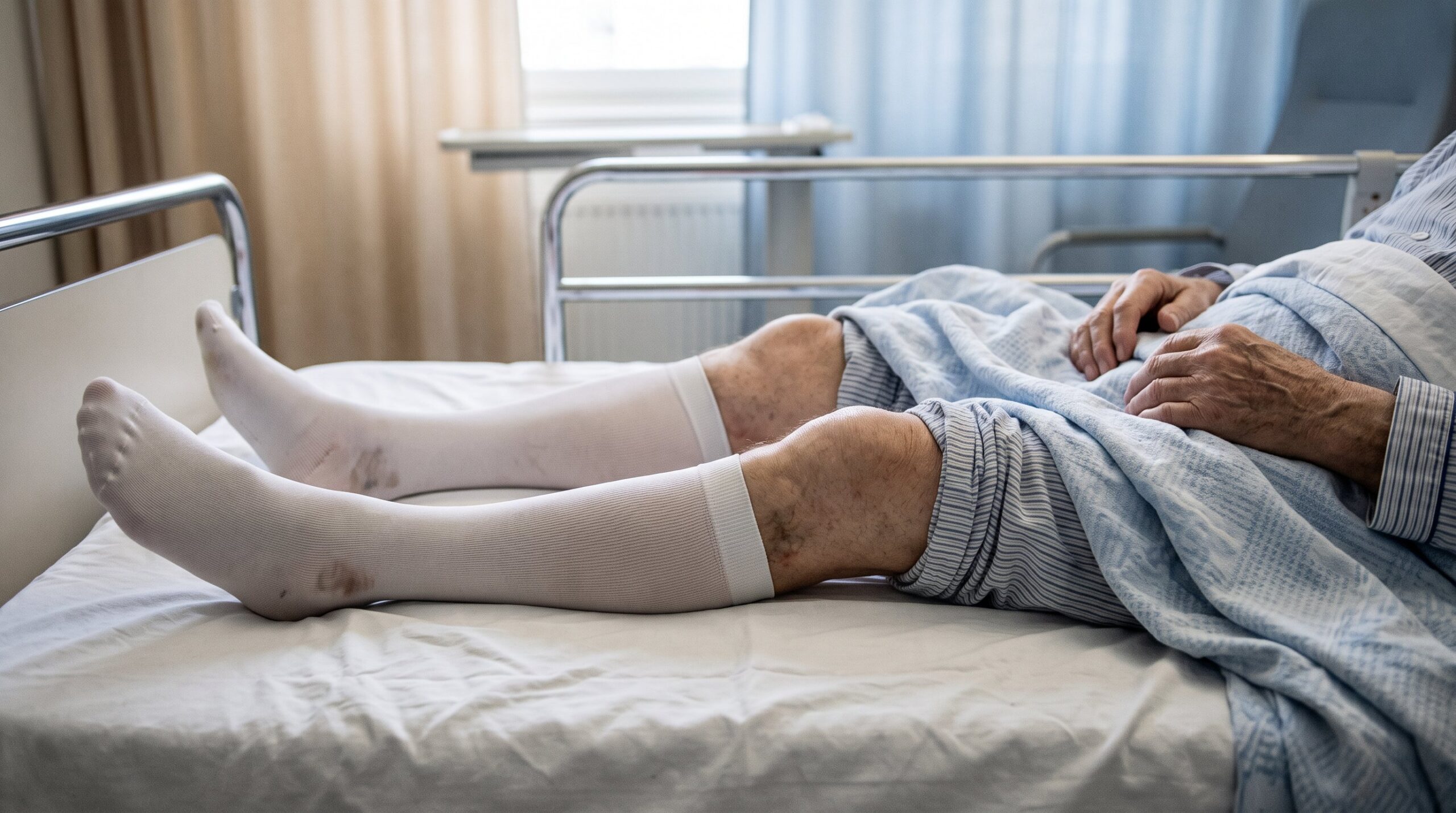
Choosing the Right Compression Level, Style, and Material
A useful compression garment needs to match both your health needs and your daily life. Pressure level is important, but so are garment length, fabric, ease of application, shoe compatibility, and the South Texas climate.
Understanding Compression Levels
Compression is measured in millimeters of mercury, written as mmHg. Product categories can vary slightly by manufacturer, but common ranges include:
-
8–15 mmHg: Mild support for occasional tiredness or minor swelling.
-
15–20 mmHg: Moderate everyday support, often used for travel, prolonged standing, or mild varicose veins.
-
20–30 mmHg: Firm, medical-grade compression that may be recommended for more persistent swelling, venous concerns, or recovery after certain procedures.
-
30–40 mmHg and above: Strong compression generally used under clinical direction for specific medical conditions.
A physician's prescription or recommendation should identify the appropriate range when compression is part of medical treatment. Don't move to a firmer level simply because a lighter sock didn't solve the problem immediately. Incorrect pressure or sizing can create discomfort and may worsen certain circulation problems.
Comparing Socks, Stockings, Sleeves, and Other Styles
Knee-high socks are a practical option when swelling and discomfort remain below the knee. Thigh-high stockings extend support farther up the leg, while pantyhose-style garments offer compression through both legs and may stay in place more securely for some users.
Compression sleeves cover the lower leg but leave the foot open. They may work well for athletic use or for people who prefer their own socks, although they're not suitable for every swelling pattern. Open-toe stockings can offer more room around the toes, while closed-toe styles provide full-foot coverage.
Material affects comfort, too. Breathable, moisture-managing fabrics may feel better in Harlingen's warm weather. Some garments use opaque material for durability, while sheer styles look more like traditional hosiery. If hand strength or mobility is limited, ask about easier-to-apply designs or donning aids. The best option is the one you can wear correctly and consistently.
Where to Find Compression Legwear in Harlingen
Buying locally gives you something an online size chart can't: in-person help. MacPherson's Medical Supply allows customers to discuss garment styles, pressure ranges, sizing, and practical concerns with a team that proudly serves the Rio Grande Valley.
We're your local source for durable medical equipment and home medical supplies. Along with compression hosiery, our selection and services include wheelchairs, hospital beds, canes, commodes, basins, bathroom safety equipment, custom orthotics and bracing, and complex rehabilitation solutions. We also provide CPAP machines and supplies, oxygen services, and respiratory therapies with a licensed respiratory therapist on staff.
Availability, brands, colors, and sizes may vary, so calling before your visit can save time. You can also browse medical supplies or review our full range of services before coming in. When searching for compression legwear Harlingen residents can rely on, local support makes it easier to ask questions, compare options, and address fit concerns.
How to Get a Proper Fit and Use Compression Legwear Safely: Compression Legwear in Harlingen
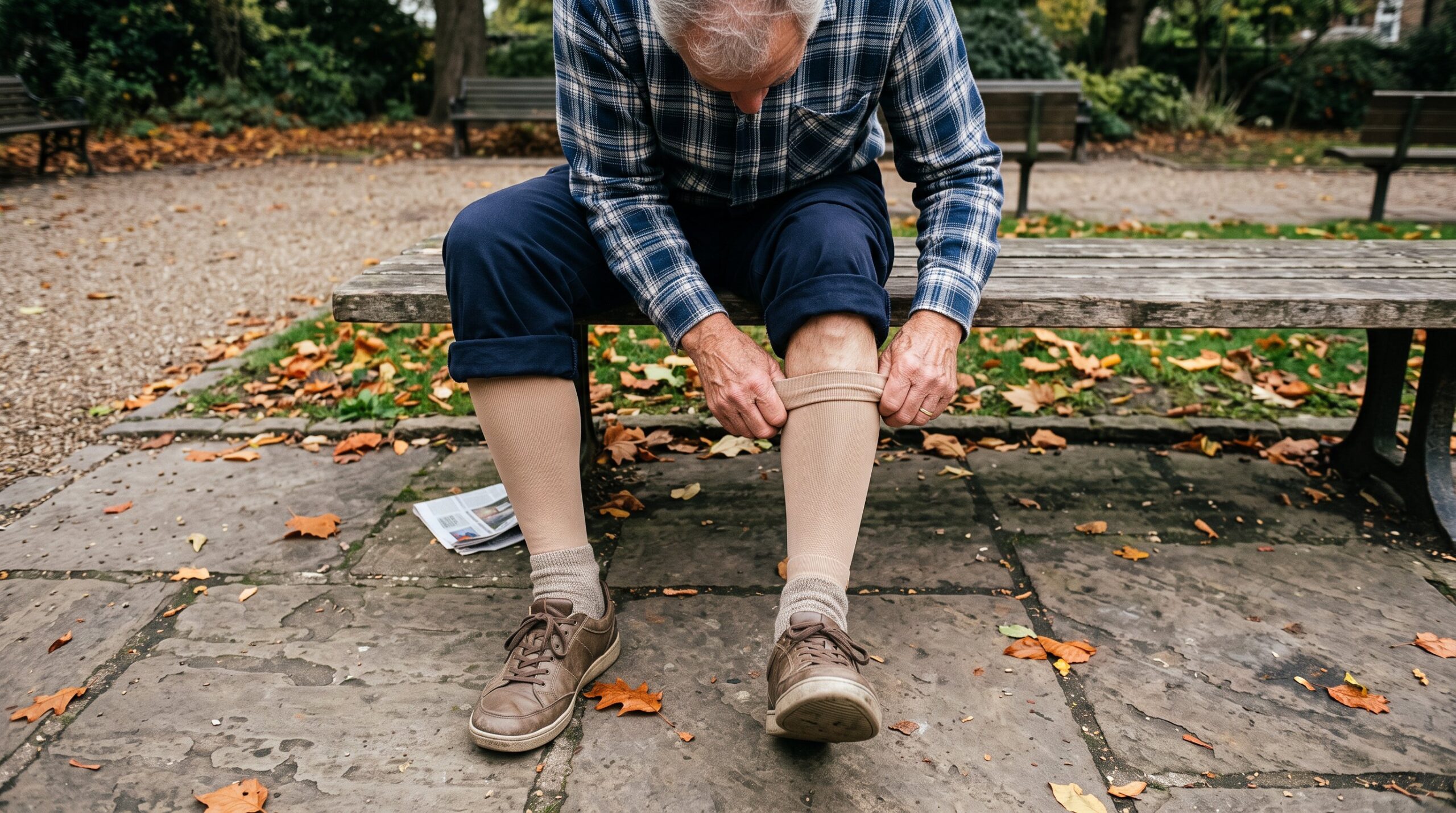
Accurate measurements are essential. Depending on the style, sizing may require the circumference of your ankle, calf, and thigh, as well as leg length. Measurements are often best taken early in the morning, before swelling increases during the day.
Put compression legwear on after waking, while your legs are relatively rested. Make sure your skin is dry, then turn the garment partly inside out, position the heel, and gradually smooth the fabric upward. Don't pull from the top or allow the material to roll, bunch, wrinkle, or form a tight band.
Remove the garment as directed, which is commonly before bed unless your clinician says otherwise. Inspect your skin regularly. Stop wearing it and contact a healthcare professional if you notice persistent pain, numbness, tingling, unusual coldness, color changes, broken skin, or worsening swelling.
Wash garments according to the manufacturer's directions and replace them when the fabric stretches or no longer provides consistent support. If putting them on is difficult, ask us about gloves, stocking donners, or alternative styles. Never cut or alter a compression garment to make it feel looser.
Finding the right compression legwear should leave you feeling supported, not squeezed. Call today to find the right equipment for you, or learn more about our story and how we serve the Rio Grande Valley, including nearby communities such as San Benito and La Feria. We're family-owned and trusted for over 80 years, with reliable solutions for everyday life.
Visit MacPherson's Medical Supply at 2325 S 77 Sunshine Strip, Ste. B, Harlingen, Texas 78550. We're open Monday through Friday from 8:00 AM to 5:00 PM. For questions, email us at admin@macmedsupply.com or call 956-412-9100.
What is compression legwear and how does it help with leg circulation?
Compression legwear applies graduated pressure to the legs, strongest at the ankle, to support blood flow back to the heart. This reduces heaviness, fatigue, and mild swelling, improving comfort for people who stand or sit for long periods.
Who should consider wearing compression legwear in Harlingen?
People with leg swelling, varicose veins, circulation issues, or tired legs can benefit. Pregnant women, travelers, and those recovering from certain procedures also find them helpful. Always consult a healthcare provider before use if you have medical conditions.
How do I choose the right compression level and style for my needs?
Compression levels range from mild (8–15 mmHg) to strong (30–40+ mmHg). Select pressure based on symptoms and doctor recommendations. Styles vary: knee-high, thigh-high, or pantyhose designs, with materials suited to Harlingen’s warm climate for comfort.
Where can I find expert help for compression legwear fitting in Harlingen?
MacPherson’s Medical Supply in Harlingen offers personalized guidance on styles, pressure levels, and sizing. Their family-owned team has over 80 years of experience and provides local support to ensure proper fit and use.
How do I safely put on and care for compression legwear?
Wear compression garments in the morning on dry skin. Smooth them up the leg without rolling or bunching. Remove as directed, often before bed. Wash according to the manufacturer’s instructions and replace them when worn. Contact a healthcare professional if you notice pain or skin issues.
Can compression legwear help during exercise or work activities?
Yes, compression garments can reduce fatigue and swelling during prolonged standing, sitting, or physical activity. Lighter compression is often recommended for everyday support to improve comfort at work or while exercising.