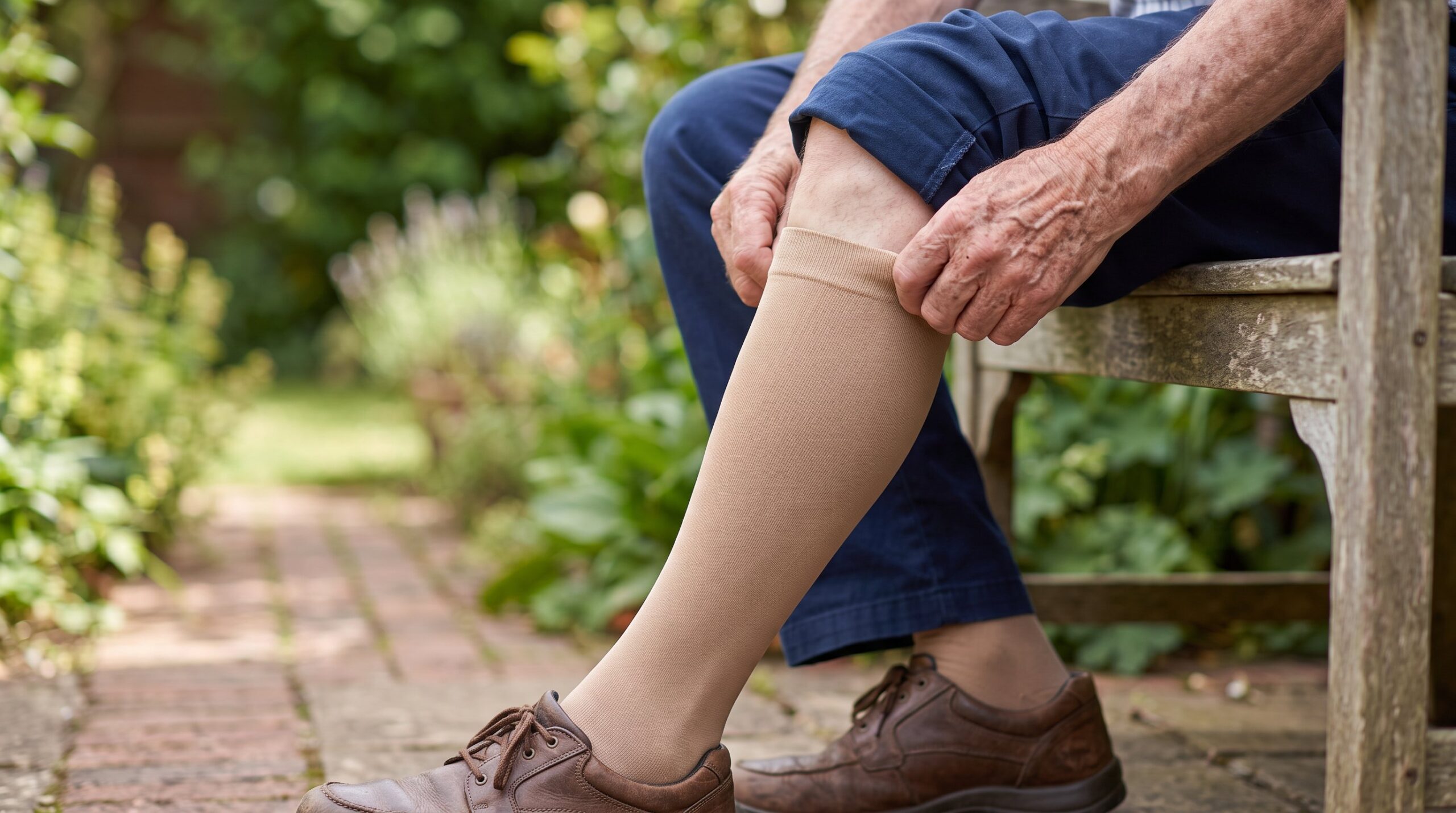
Custom Orthotic Fabrication in South Texas: A Practical Guide to Better Fit and Mobility
Custom orthotic fabrication in South Texas provides personalized foot support based on impressions or digital scans, footwear, and movement needs. MacPherson…
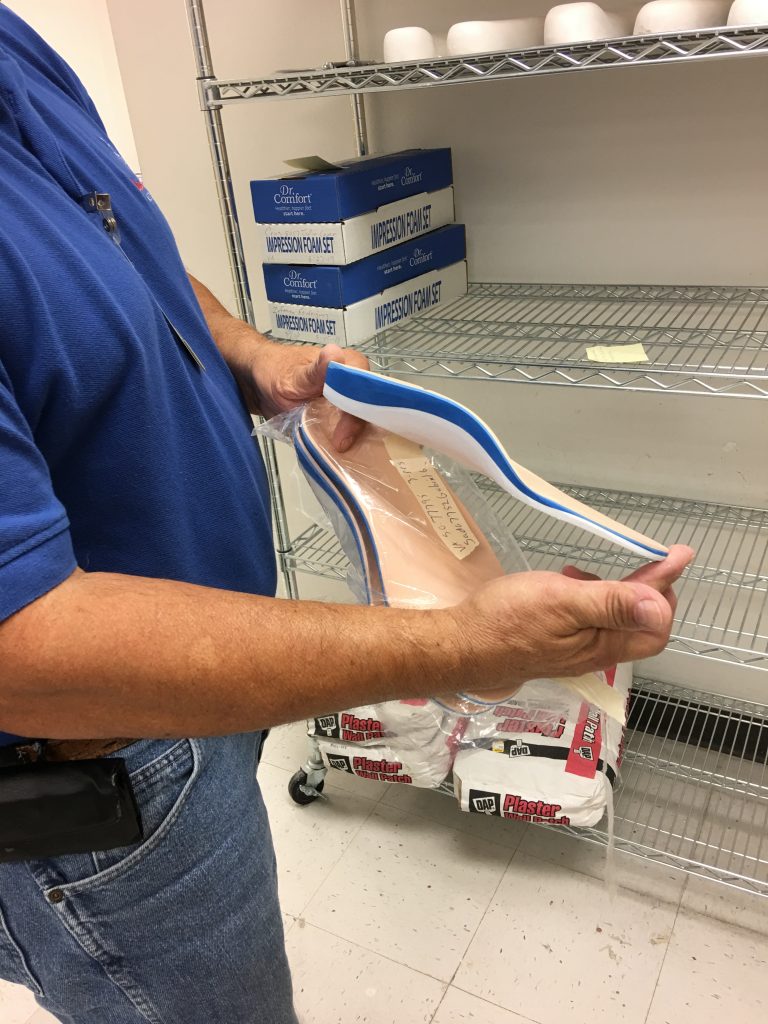
Custom orthotic fabrication in South Texas provides personalized foot support based on impressions or digital scans, footwear, and movement needs. MacPherson’s Medical Supply serves patients across Harlingen, the Rio Grande Valley, and South Texas who experience aching heels, uneven shoe wear, changes in weight distribution, or inadequate support from retail inserts.
This guide explains what custom orthotics are, who may benefit, how fabrication works, and what to consider when choosing a South Texas provider.
What Custom Orthotic Fabrication Involves
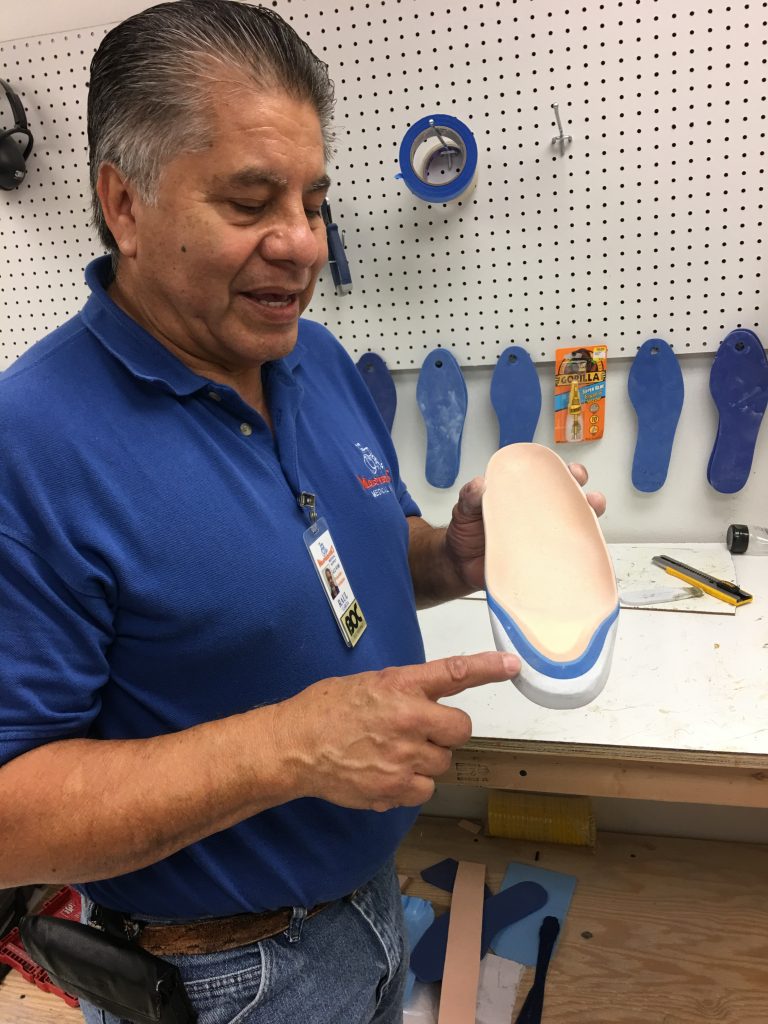
For custom orthotic fabrication, South Texas patients typically begin with measurements, impressions, molds, or digital scans of their feet. Following a prescription or clinical evaluation from a licensed healthcare provider, the device is designed according to the patient’s care plan, foot geometry, movement patterns, and intended footwear.
Depending on the prescribed purpose, an orthotic may provide support, redistribute pressure, absorb shock, cushion sensitive areas, or help manage motions such as excessive pronation or supination. Individual outcomes depend on factors including health history, diagnosis, activity level, footwear, and consistent use.
Fabrication is only one part of custom orthotic care. Evaluation, fitting, break-in guidance, adjustments, and follow-up are also important. The goal is to create a device that works comfortably inside the intended footwear and supports how the patient moves during daily activities.
Who May Benefit From Custom Orthotics
Custom orthotics may provide supportive comfort for people experiencing discomfort related to plantar fasciitis, arch imbalances, pressure points, calluses, bunions, or foot instability when recommended by a qualified healthcare professional.
Improper foot support can affect overall posture. Custom orthotics are intended to promote appropriate foot alignment, which may help minimize strain on connected joints during everyday activities. Results vary, and not every instance of foot, leg, hip, or back discomfort originates with foot mechanics.
A professional evaluation may be appropriate if you:
-
Spend long periods standing or walking
-
Experience recurring foot or ankle discomfort
-
Notice uneven wear on your shoes
-
Need additional support following an injury
-
Have sensitive pressure points
-
Have not received adequate support from retail inserts
-
Have been advised by a healthcare provider to use custom orthotics
Children, seniors, athletes, workers, and people with mobility limitations may require different designs and materials. A physician, podiatrist, or other qualified healthcare professional can determine whether custom orthotics are appropriate.
For individuals managing diabetes, specialized pressure redistribution and protective cushioning are often important components of daily foot care. Because diabetes may affect sensation, circulation, and skin health, patients should consult their physician or podiatrist to determine whether custom diabetic inserts are appropriate for their treatment plan. New redness, wounds, swelling, or skin changes should be evaluated promptly by a healthcare professional.
The Custom Orthotic Fabrication Process
A well-designed orthotic begins with a prescription or clinical evaluation. During custom orthotic fabrication in South Texas, the provider considers the patient’s concerns, medical recommendations, activities, footwear, mobility goals, and experience with previous inserts or braces.
This individualized evaluation helps tailor the device to the patient’s foot geometry and movement patterns, providing a personalized alternative to standard, off-the-shelf insoles.
Evaluation, Gait Analysis, and Foot Impressions
During an evaluation, the provider may review foot posture, arch position, skin condition, pressure areas, and the alignment of the feet and legs. Gait analysis may also be used to observe how the feet and body move while walking.
A person’s foot can appear different when seated than when bearing weight. Observing movement may reveal inward or outward rolling, uneven stride patterns, instability, or other characteristics relevant to the prescribed design.
The team then captures the shape of the foot through an impression, mold, or digital scan. Footwear is also considered because the orthotic must fit inside the shoes in which it will be used. Patients should bring commonly worn work, athletic, or everyday shoes to their appointment when instructed.
Design, Materials, Fitting, and Adjustments
Following the prescription or care plan, the orthotic is designed for its intended function. Some devices prioritize motion control and stability, while others emphasize cushioning, pressure redistribution, or a combination of support and flexibility.
Material selection may depend on body weight, activity level, skin sensitivity, footwear, and clinical recommendations. Rigid or semi-rigid materials can provide structure, while softer layers may cushion sensitive areas.
At the fitting appointment, the provider checks the orthotic inside the intended footwear and observes the patient while standing and walking. The evaluation may include heel placement, arch contact, stability, shoe fit, rubbing, and concentrated pressure.
Patients may receive instructions for a gradual break-in period. Persistent pain, rubbing, redness, or pressure should be reported rather than ignored. Follow-up modifications are a normal part of custom orthotic care and can help improve fit and comfort.
Fabricated Locally and Fitted Individually
MacPherson’s fabricates custom orthotics at its South Texas facility, allowing the team to oversee impression capture, fabrication, finishing, fitting, and adjustments. Local access can simplify follow-up if a device needs modification.
When the orthotics are ready, a fitting appointment is used to evaluate comfort, function, and compatibility with the patient’s footwear. This hands-on process also gives patients an opportunity to ask questions about wear schedules, cleaning, footwear, and follow-up care.
Choosing a Custom Orthotic Provider in South Texas
A custom orthotic provider should explain the evaluation, fabrication, materials, expected benefits, limitations, fitting process, and follow-up plan in clear language. Patients should feel comfortable reporting concerns and asking how the device relates to their prescription or treatment plan.
When comparing providers, consider:
-
Whether devices are based on individual impressions or scans
-
The team’s fitting and fabrication experience
-
Coordination with licensed healthcare providers
-
Access to follow-up appointments and adjustments
-
Available materials and design options
-
Compatibility with commonly worn footwear
-
Insurance verification and payment policies
Local access may be particularly useful when adjustments are needed. A South Texas provider may also understand regional considerations such as long workdays on hard surfaces and footwear commonly worn in the Rio Grande Valley climate.
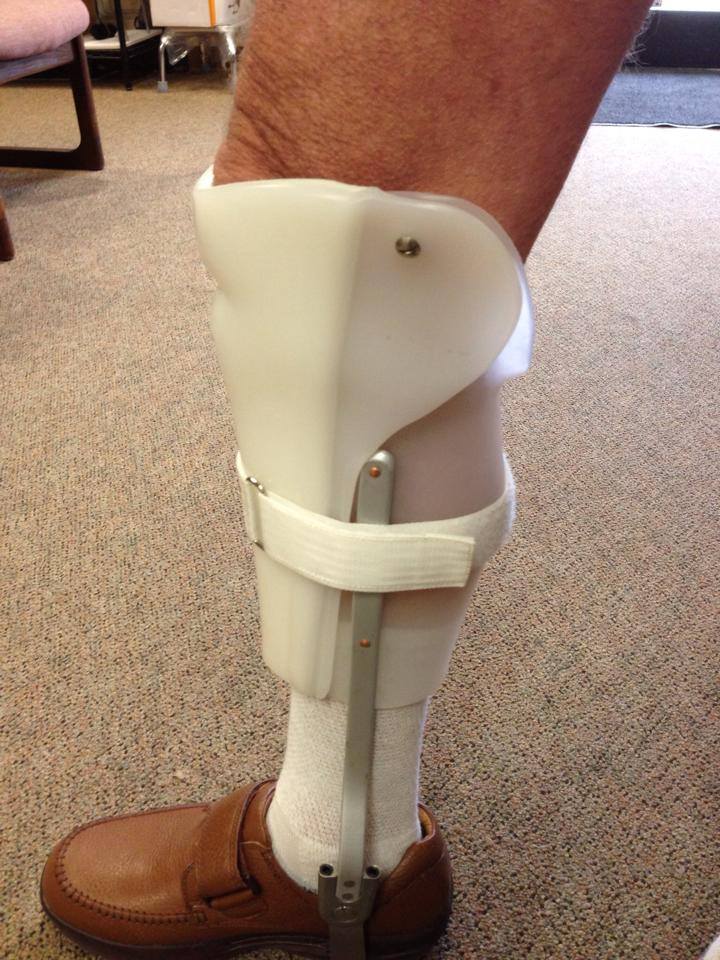
At MacPherson’s Medical Supply, custom orthotics may be coordinated with other prescribed mobility or medical equipment. Available services include orthopedic bracing, diabetic footwear, compression products, mobility aids, rehabilitation equipment, respiratory supplies, and home medical equipment.
You can see all medical supply services or browse medical supplies before visiting.
Support, Alignment, and Daily Comfort
Foot support can influence posture and movement throughout the lower body. Custom orthotics are intended to support appropriate foot alignment and redistribute pressure based on individual needs. They are not guaranteed to correct posture, eliminate pain, or prevent injury.
Professional evaluation, individualized fabrication, proper footwear, and ongoing adjustments work together to support mobility and help enhance daily comfort. Patients should continue following the recommendations of their physician, podiatrist, physical therapist, or other licensed healthcare provider.
Conclusion: Custom Orthotic Fabrication in South Texas
A custom orthotic should fit the intended footwear, reflect the prescribed care plan, and support the patient’s individual movement needs. MacPherson’s Medical Supply provides custom orthotic fabrication in South Texas, along with follow-up care for patients throughout the Rio Grande Valley.
Visit MacPherson’s Medical Supply at 2325 S. 77 Sunshine Strip, Suite B, Harlingen, Texas 78550. Hours are Monday through Friday, 8:00 a.m. to 5:00 p.m. Call 956-412-9100 or email admin@macmedsupply.com with questions.
What does custom orthotic fabrication involve?
The process generally includes a prescription or clinical evaluation, gait and foot assessment, an impression or digital scan, material selection, fabrication, fitting, and follow-up adjustments.
How may custom orthotics support comfort?
Depending on the prescribed purpose, custom orthotics may support foot alignment, redistribute pressure, cushion sensitive areas, or help manage certain movement patterns. Benefits and results vary by individual.
How are custom orthotics different from store-bought insoles?
Custom orthotics are tailored from measurements, impressions, or scans of an individual’s feet and fabricated according to a care plan. Store-bought insoles use standardized shapes and are not designed for one person’s specific foot geometry.
Do I need a prescription?
Prescription and documentation requirements depend on the device, healthcare provider, payer, and applicable regulations. Contact MacPherson’s and your licensed healthcare provider before scheduling to confirm what documentation is required.
Will insurance cover custom orthotics in South Texas?
Coverage varies by insurer, plan, diagnosis, device type, and medical-necessity requirements. Some plans exclude foot orthotics or cover them only in limited circumstances. Before fabrication, contact your insurer to ask about eligibility, required prescriptions, prior authorization, documentation, deductibles, and out-of-pocket costs. HSA or FSA eligibility also depends on applicable plan and tax rules.
Disclaimer: The information in this guide is for educational purposes only and is not a substitute for professional medical advice, diagnosis, or treatment. Custom orthotics are medical devices that may require a prescription from a licensed healthcare provider. Individual results vary based on health history, underlying conditions, footwear, fit, and use.