HME Specialists in South Texas: Care Made Easier
Learn how HME specialists in South Texas help families choose equipment, handle insurance, and get support from a trusted local provider today fast.

If you or someone you love needs medical equipment at home, it can feel overwhelming trying to figure out where to begin. From understanding what equipment is appropriate to navigating insurance requirements and setup, there are several moving parts. Home Medical Equipment (HME) specialists in South Texas help guide families through this process by providing equipment, education, and ongoing support when needs change over time.
At MacPherson’s Medical Supply, we have spent more than 80 years assisting families across the Rio Grande Valley with durable medical equipment, respiratory supplies, mobility products, and home accessibility solutions. This guide explains what HME specialists do, what types of equipment are available locally, and what to look for when choosing a provider.
What HME Specialists in South Texas Do For Families
HME stands for Home Medical Equipment. These are products designed to help individuals manage health conditions, recover from procedures, or maintain independence at home. HME specialists work with patients, caregivers, and healthcare providers to identify appropriate equipment based on medical needs and daily living requirements.
Common examples of home medical equipment include wheelchairs, hospital beds, oxygen equipment, CPAP machines, walkers, and bathroom safety products. Each of these items serves a different purpose, and selecting the right one often depends on factors such as mobility level, diagnosis, home layout, and physician recommendations.
An HME specialist’s role typically goes beyond supplying equipment. They may help explain how different options work, assist with fitting or adjustments, and provide basic instruction on safe use. This support can be especially helpful for caregivers and family members who are balancing multiple responsibilities.
Local access to this type of support can make a practical difference. Being able to speak with someone familiar with the area and available for in-person assistance may help reduce delays or confusion. As a family-owned medical supply company, MacPherson’s Medical Supply has worked with generations of families in the Rio Grande Valley and aims to provide consistent, straightforward guidance.
Home Medical Equipment and Supplies Available Locally

Working with HME Specialists in South Texas can simplify the process of obtaining medical equipment. Instead of relying on shipping timelines or uncertain product selection online, patients and caregivers can often view equipment in person and ask questions before making a decision.
At the Harlingen location, MacPherson’s Medical Supply offers a wide selection of durable medical equipment and home medical supplies. These include:
-
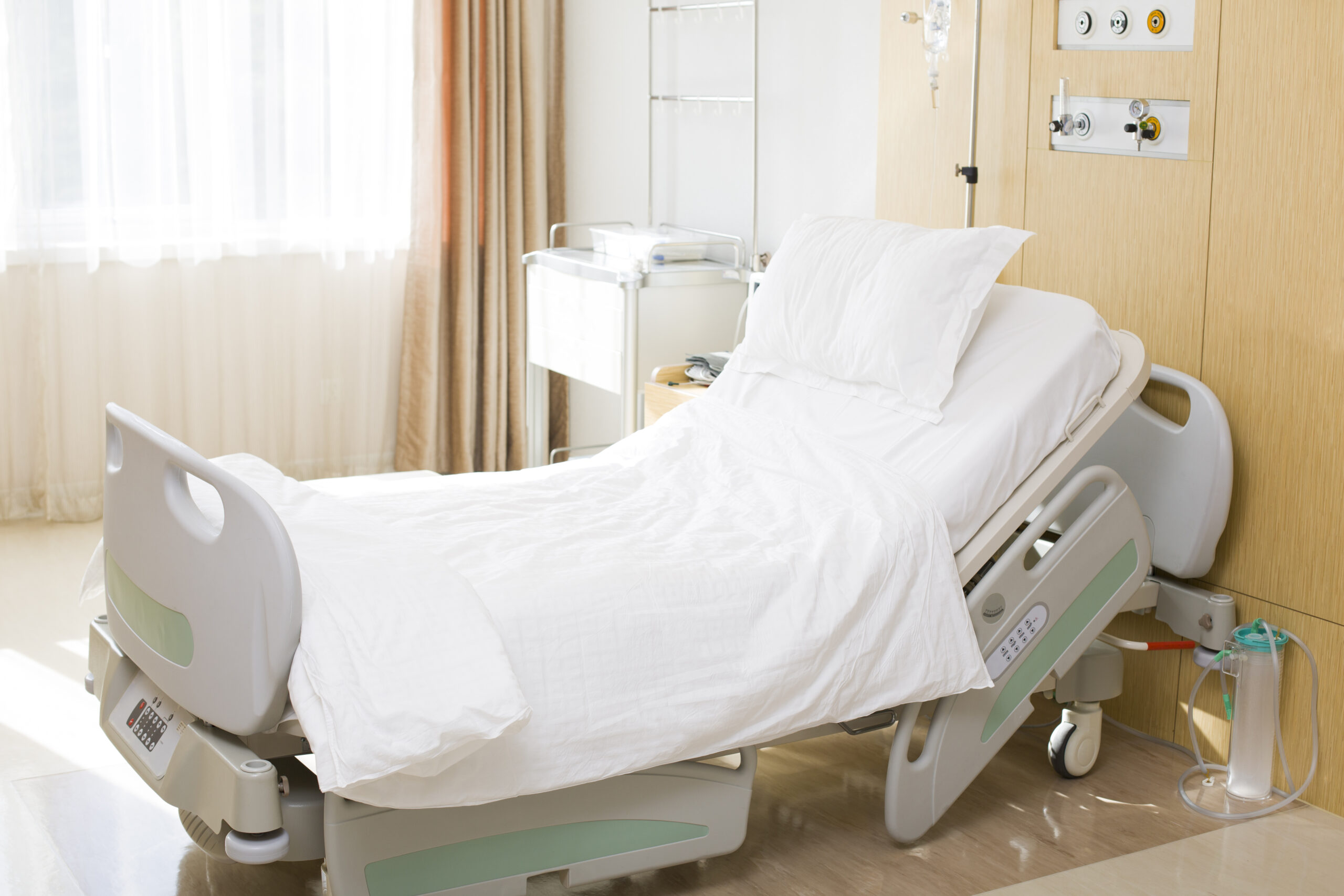
Hospital beds and adjustable beds
-
Wheelchairs, including manual and power models
-
Walkers, canes, and crutches
-
Commodes, basins, and bathroom safety products
-
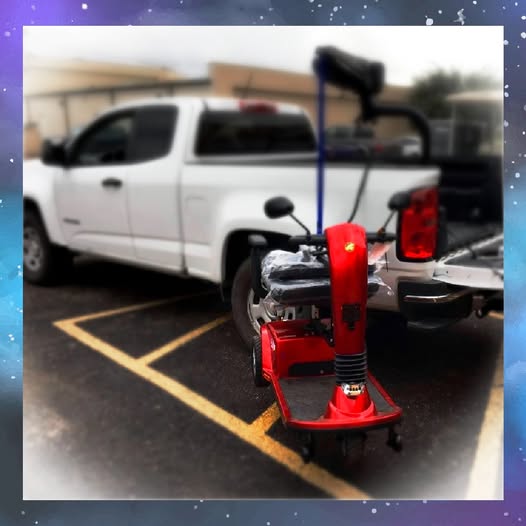
Lift chairs and mobility scooters
-
Power mobility devices
-
CPAP machines and CPAP supplies
-
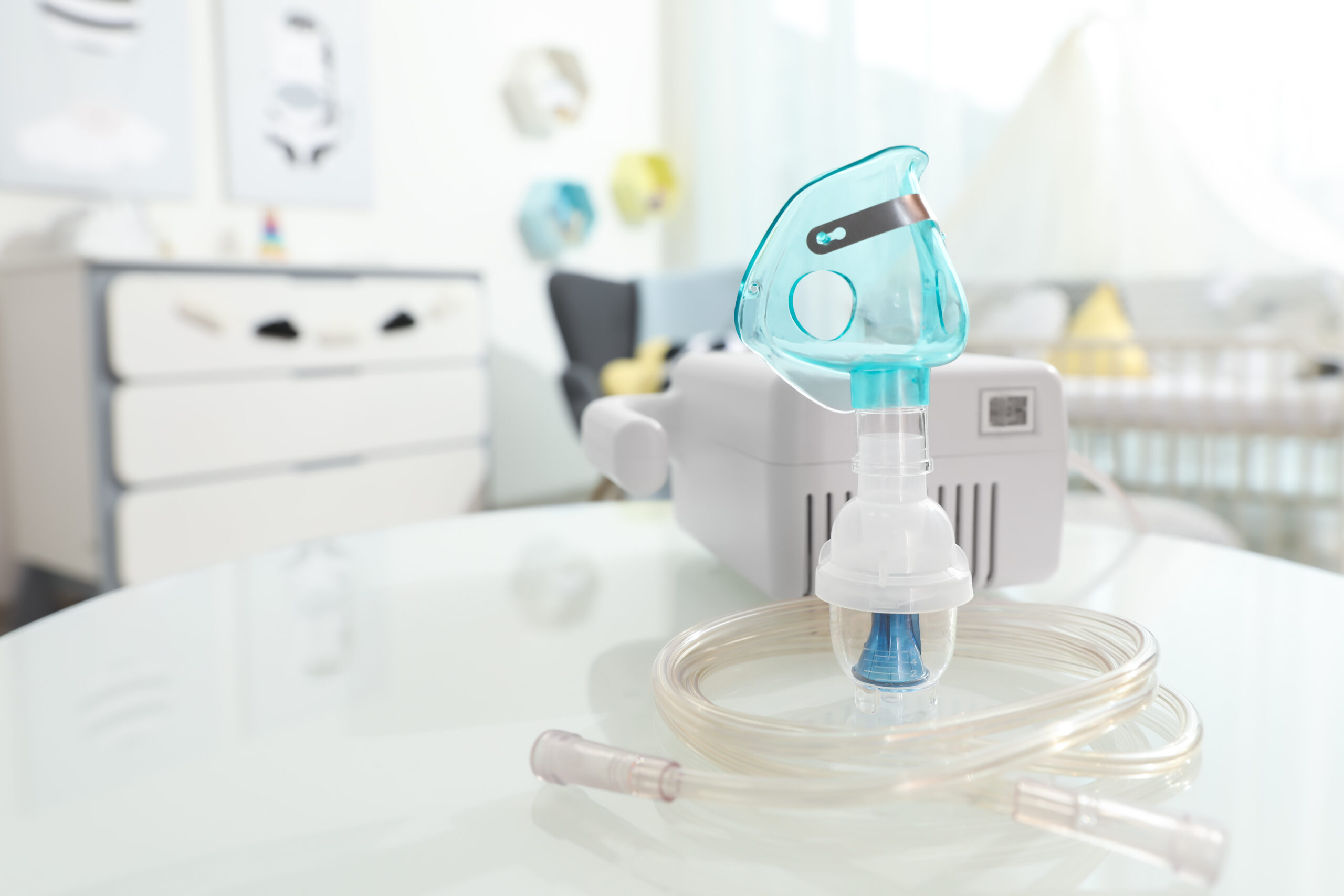
Oxygen concentrators and respiratory equipment
-
Custom orthotics and diabetic footwear
-
Orthopedic bracing and compression hosiery
-
Lymphedema pumps
-
Personal care aids
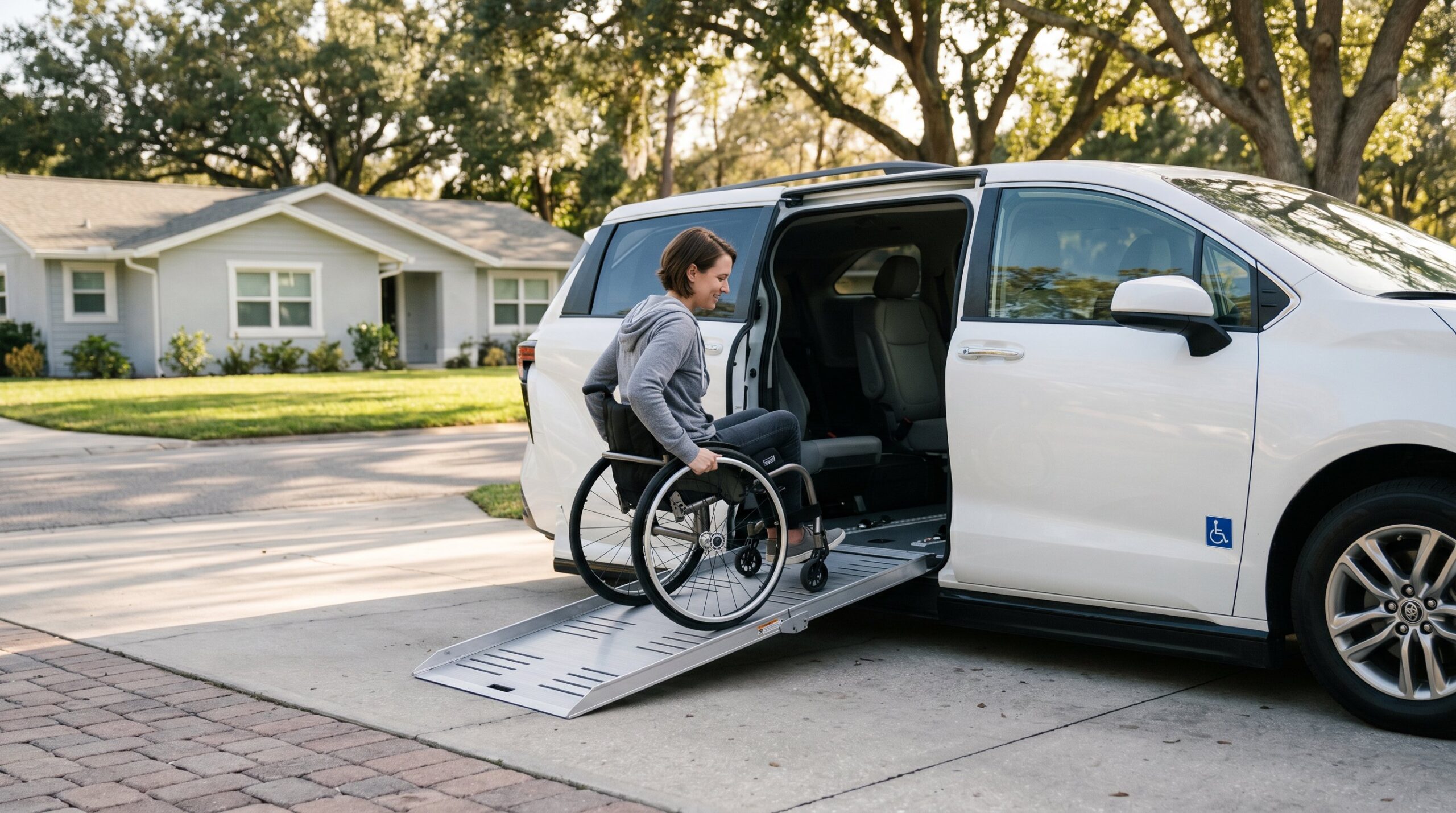
In addition to standard equipment, some providers also assist with more specialized needs. This may include complex rehabilitation equipment for individuals with long-term mobility challenges, as well as home and vehicle accessibility modifications such as ramps or stairlifts.
Equipment maintenance and repair are also important considerations. Over time, frequently used items like wheelchairs, scooters, and lift systems may require adjustments, replacement parts, or servicing. Access to local repair support can help address these issues more efficiently.
To explore available options in more detail, you can view our full range of services online.
How to Choose the Right HME Provider in the Rio Grande Valley
Not all medical supply providers offer the same level of service, and the differences can affect your overall experience. Some companies primarily focus on product distribution, while others provide additional support such as equipment setup, education, and ongoing service.
When evaluating an HME provider, it may help to consider the following factors:
-
Local presence: A physical storefront can make it easier to ask questions, view equipment, and receive in-person assistance when needed.
-
Staff training and credentials: Knowledgeable staff, including licensed respiratory therapists or Assistive Technology Professionals (ATPs), can help address more complex equipment needs.
-
Product range: A broader selection may allow for more tailored solutions rather than one-size-fits-all recommendations.
-
Repair and maintenance services: Access to in-house or local repair services can reduce downtime if equipment needs servicing.
-
Communication: Clear explanations regarding equipment use, documentation, and insurance processes can help avoid misunderstandings.
For individuals requiring respiratory equipment, CPAP therapy, oxygen support, or complex rehabilitation devices, working with trained professionals can be particularly helpful. These situations often involve detailed assessments and coordination with healthcare providers.
MacPherson’s Medical Supply has been serving the Rio Grande Valley for 80 years. The company offers local service, trained staff, and repair support, along with opportunities to speak directly with team members. Patients and caregivers can also visit the local store to review available products and discuss their needs in person.
HME Specialists in South Texas: Working With Physicians, Therapists, and Discharge Planners
Many individuals are introduced to home medical equipment through a referral process. Physicians may prescribe oxygen or CPAP therapy, therapists may recommend mobility devices, and hospital discharge planners often coordinate equipment needs before a patient returns home.
HME providers frequently work alongside these healthcare professionals to help facilitate a smoother transition from clinical care to home care. This coordination can include arranging delivery, setting up equipment, and ensuring patients and caregivers receive basic instructions.
For more complex cases, input from specialists such as respiratory therapists or Assistive Technology Professionals may be part of the process. These professionals can help evaluate specific needs and suggest appropriate equipment configurations.
Clear communication among all parties—patients, families, providers, and healthcare teams—can help reduce delays and improve understanding of what is required. This is particularly important when documentation, prescriptions, or insurance approvals are involved.
Insurance, Medicare, and Local Support for South Texas Patients
Understanding insurance coverage for durable medical equipment can be one of the more challenging parts of the process. Requirements may vary depending on the type of equipment, the patient’s diagnosis, and the specific insurance plan.
Medicare and private insurance plans often require documentation such as physician orders, medical necessity justification, and eligibility verification. These steps can take time and may involve coordination between multiple parties.
HME providers may assist by explaining general requirements, helping gather documentation, and communicating with healthcare providers when additional information is needed. While this support can make the process more manageable, coverage decisions ultimately depend on the insurer and individual policy terms.
Being able to speak with a local team rather than a remote call center can make it easier to ask questions and follow up on next steps. Patients and caregivers often benefit from having a consistent point of contact who understands the local healthcare landscape.
If you have questions about coverage or eligibility for a specific item, contacting a provider directly can help clarify what information is needed and what steps to take next.
Local Access and Ongoing Support
Access to home medical equipment is not always a one-time need. As health conditions change, equipment may need to be adjusted, replaced, or supplemented with additional products. Having a local provider can make it easier to revisit these needs over time.
In-person visits can also provide opportunities to reassess fit, comfort, and usability. For example, a wheelchair that worked well initially may need adjustments after extended use, or a CPAP user may require different supplies or mask fittings.
Local providers may also offer guidance on integrating equipment into the home environment. This can include considerations such as space planning, safety modifications, and accessibility improvements.
While not every situation requires ongoing service, having access to support when needed can be an important factor for many families managing long-term care at home.
What is considered home medical equipment (HME)?
Home medical equipment includes devices and supplies prescribed or recommended for use at home to support medical care or daily living. This can include items like wheelchairs, hospital beds, oxygen equipment, CPAP machines, walkers, and bathroom safety products. The specific equipment needed depends on a person’s medical condition, mobility level, and care plan.
Do I need a prescription for medical equipment?
Some types of equipment, especially those billed through Medicare or private insurance, may require a physician’s order and supporting documentation. Other items, such as basic mobility aids or bathroom safety products, can often be purchased without a prescription. Requirements vary depending on the equipment and insurance provider.
Will insurance or Medicare cover my equipment?
Coverage depends on your specific insurance plan, medical necessity, and whether documentation requirements are met. Medicare and private insurers often have guidelines that must be followed for approval. An HME provider may help explain general requirements and assist with paperwork, but coverage decisions are made by the insurer.
How do I know which equipment is right for my needs?
Choosing the right equipment typically involves considering your medical condition, home environment, and recommendations from your healthcare provider. HME specialists can help explain available options and demonstrate how equipment works, which may help you make a more informed decision.
What should I do if my equipment needs repair or adjustment?
If your equipment is not functioning properly or no longer fits your needs, you can contact your provider to discuss repair or adjustment options. Many HME providers offer maintenance or repair services for certain products. Availability and timelines can vary depending on the type of equipment and required parts.
Visit or Contact MacPherson’s Medical Supply
MacPherson’s Medical Supply is located at 2325 S 77 Sunshine Strip, Ste. B, Harlingen, Texas 78550. The store is open Monday through Friday from 8:00 AM to 5:00 PM.
For general questions, you can email admin@macmedsupply.com or call 956-412-9100 to speak with a team member.