Visit an After-Hours Clinic in Weslaco, TX: When to Go and What to Expect
Learn when to visit an after-hours clinic in Weslaco, TX, what conditions are treated, and what to expect for convenient non-emergency care.

When you visit an after-hours clinic in Weslaco, TX, you gain access to medical care during the times your regular provider’s office is closed—yet your condition does not require a trip to the emergency room. This type of care can serve as a practical middle-ground option for concerns such as evening fevers, worsening coughs, minor injuries, or symptoms that develop after the workday ends. For individuals and families in Weslaco and throughout the Rio Grande Valley, bridging this gap in access can be challenging. Davila's Clinic offers after-hours care as an option to help address these needs during extended hours.
In this guide, we explain what after-hours care is, when it may be appropriate to visit an after-hours clinic in Weslaco, TX, and what to expect when seeking care outside of standard office hours.
What an After-Hours Clinic Is and When to Use One
An after-hours clinic is a medical facility that offers care during evenings and weekends, when most primary care offices are closed. These clinics are intended to help bridge the gap between routine daytime care and emergency medical services.
They may be appropriate for non-life-threatening concerns that still benefit from timely evaluation. Examples can include symptoms that develop suddenly, worsen during the day, or become uncomfortable enough that waiting may not be ideal.

Many families consider evening and weekend care in Weslaco because it may better align with work schedules, school obligations, and other commitments. Availability outside traditional hours can make it easier to seek care without significantly disrupting daily routines, though hours and access vary by clinic.
If you are unsure whether your condition is appropriate for after-hours care, consider how you might respond during regular hours. If you would typically seek medical attention for the issue, an after-hours clinic may be a reasonable option. If symptoms are severe or rapidly worsening, a higher level of care may be necessary.
Common Conditions Treated at an After-Hours Clinic in Weslaco:
After-hours clinics are generally equipped to evaluate a range of common, non-emergency concerns. Services vary by location, but care teams may assess:
Colds, sore throats, and sinus-related concerns Fever and flu-like symptoms Ear infections and mild respiratory issues Minor skin conditions such as rashes or irritation Minor injuries, including small cuts, sprains, and strains Nausea, stomach discomfort, or mild dehydration Urinary symptoms such as discomfort or frequency
These conditions can feel urgent, especially outside normal business hours. A medical professional can evaluate your symptoms, perform an examination, and recommend next steps based on your individual situation.
Evaluation and next steps always depend on clinical judgment, available resources, and the specifics of each case. You can review available services to better understand what may be offered at a particular location.
For those seeking care later in the day or over the weekend, after-hours availability may provide an additional option when other offices are closed.
After-Hours Care vs. the Emergency Room

Understanding when to choose an after-hours clinic versus the emergency room is an important part of making informed healthcare decisions.
Emergency rooms are equipped to handle serious or life-threatening conditions, including:
Chest pain Difficulty breathing Severe bleeding Signs of stroke (such as sudden weakness or speech difficulty) Major injuries Sudden changes in consciousness
If you believe you may be experiencing a medical emergency, call 911 or go to the nearest emergency department immediately.
After-hours clinics are intended for less severe conditions that still require prompt attention. They are not a replacement for emergency care but may be an appropriate option for certain non-emergency concerns.
Some patients choose after-hours clinics because they may offer a more accessible setting for minor conditions, depending on timing, staffing, and patient volume. Wait times, costs, and services can vary. For more information, you can explore healthcare on your schedule.
What to Expect During Your Visit
An after-hours clinic visit is similar to a standard primary care appointment. Upon arrival, you will typically check in, provide medical information, and describe your symptoms.
A medical professional will evaluate your condition by asking questions, reviewing your history, and performing a physical examination. Some clinics may offer limited diagnostic services, such as basic lab testing.
Based on the evaluation, you may receive guidance on next steps, which could include at-home care instructions or recommendations for follow-up or a higher level of care if needed.
Services and capabilities vary by clinic. Patients are encouraged to ask questions and confirm their understanding of any care plan before leaving.
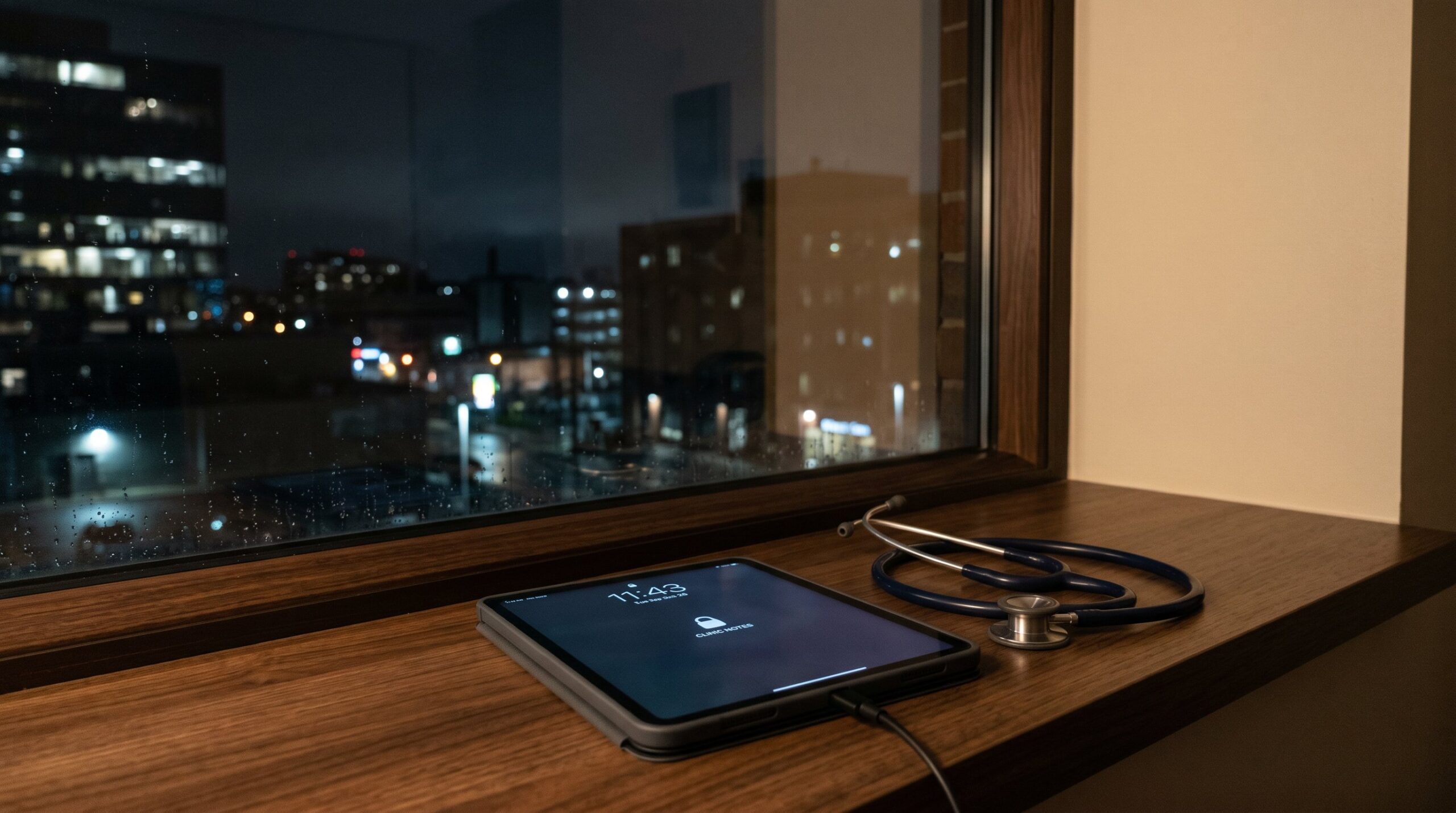
How to Prepare Before You Arrive: Visit an After-Hours Clinic in Weslaco, TX
Taking a few steps in advance can help make your visit more efficient:
- Write down your symptoms and when they began
- Bring a list of current medications and dosages
- Have your insurance information available, if applicable
- Note any allergies, chronic conditions, or recent health changes
If you are unsure whether your concern is appropriate for after-hours care, you can contact the clinic in advance. Staff may not be able to provide medical advice over the phone but can often share general information about services and availability.
Why Local After-Hours Care Matters for Rio Grande Valley Families
Access to care close to home can be an important consideration for families in the Rio Grande Valley. Travel distance, work schedules, and unexpected symptoms can make it more difficult to seek care during standard hours.
Having a local option in Weslaco may help reduce travel time and support more timely access to evaluation for non-emergency concerns. This may be especially relevant for families with young children, older adults, or individuals managing ongoing health needs.
Local clinics may also provide a more familiar care environment. Teams who regularly serve the community may have greater awareness of local health patterns and common concerns, though individual experiences can vary.
Continuity of care is another consideration. When after-hours services are connected to ongoing primary care services, patients may find it easier to coordinate follow-up care and manage long-term health needs.
To learn more about the clinic and its services, visit the main site.
What is an after-hours clinic?
An after-hours clinic is a healthcare facility that provides medical services outside of standard business hours, typically in the evenings and on weekends. Davila's Clinic is one such facility offering after-hours care. Services vary by clinic, and not all conditions can be treated in this setting.
When should I go to an after-hours clinic instead of the ER?
You may consider an after-hours clinic for non-life-threatening conditions that still require timely attention. For severe symptoms such as chest pain, difficulty breathing, or major injuries, the emergency room is the appropriate choice.
Do after-hours clinics accept walk-ins?
Many after-hours clinics accept walk-in patients, although policies differ by location. Some clinics may also offer same-day scheduling or limited appointments.
What conditions are typically treated after hours?
Common conditions include minor illnesses and injuries such as colds, flu symptoms, ear infections, mild skin conditions, and minor musculoskeletal injuries. Evaluation depends on clinic capabilities and the specifics of each case.
Will my insurance cover an after-hours visit?
Insurance coverage depends on your specific plan and the clinic you visit. It is advisable to confirm coverage with your insurance provider or the clinic prior to your visit when possible.
How long are wait times at after-hours clinics?
Wait times vary based on factors such as patient volume, time of day, and staffing levels. While some patients may experience shorter waits compared to emergency rooms, this is not guaranteed.
Do after-hours clinics provide follow-up care?
Some after-hours clinics may offer follow-up visits or coordinate care with your primary care provider. At Davila's Clinic, follow-up care options may be available depending on your needs and the services offered.