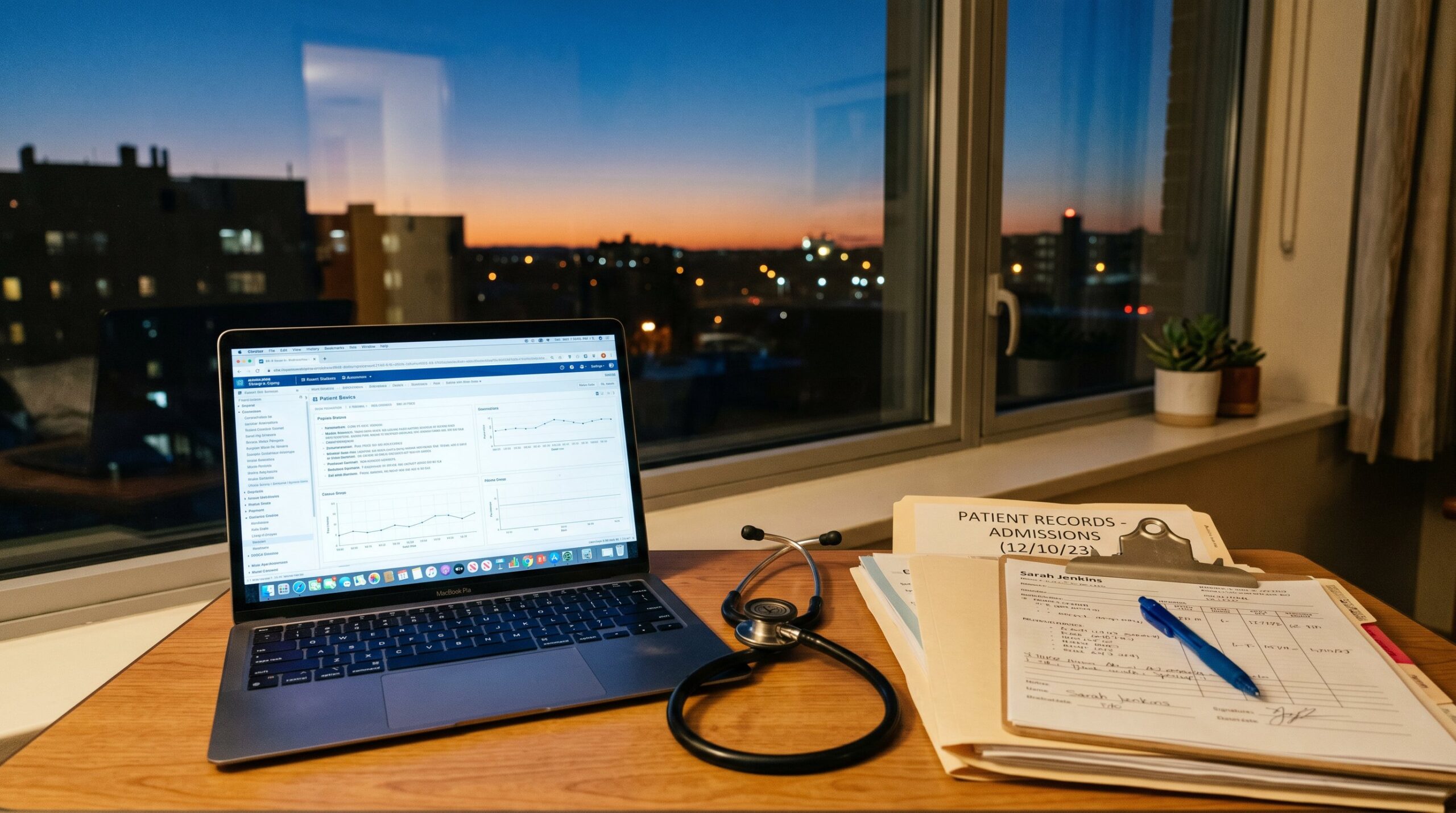
Is an After-Hours Clinic the Same as Urgent Care? Key Differences Explained
Is an after-hours clinic the same as urgent care in Weslaco? Learn the key differences and when to choose each for your family's health.
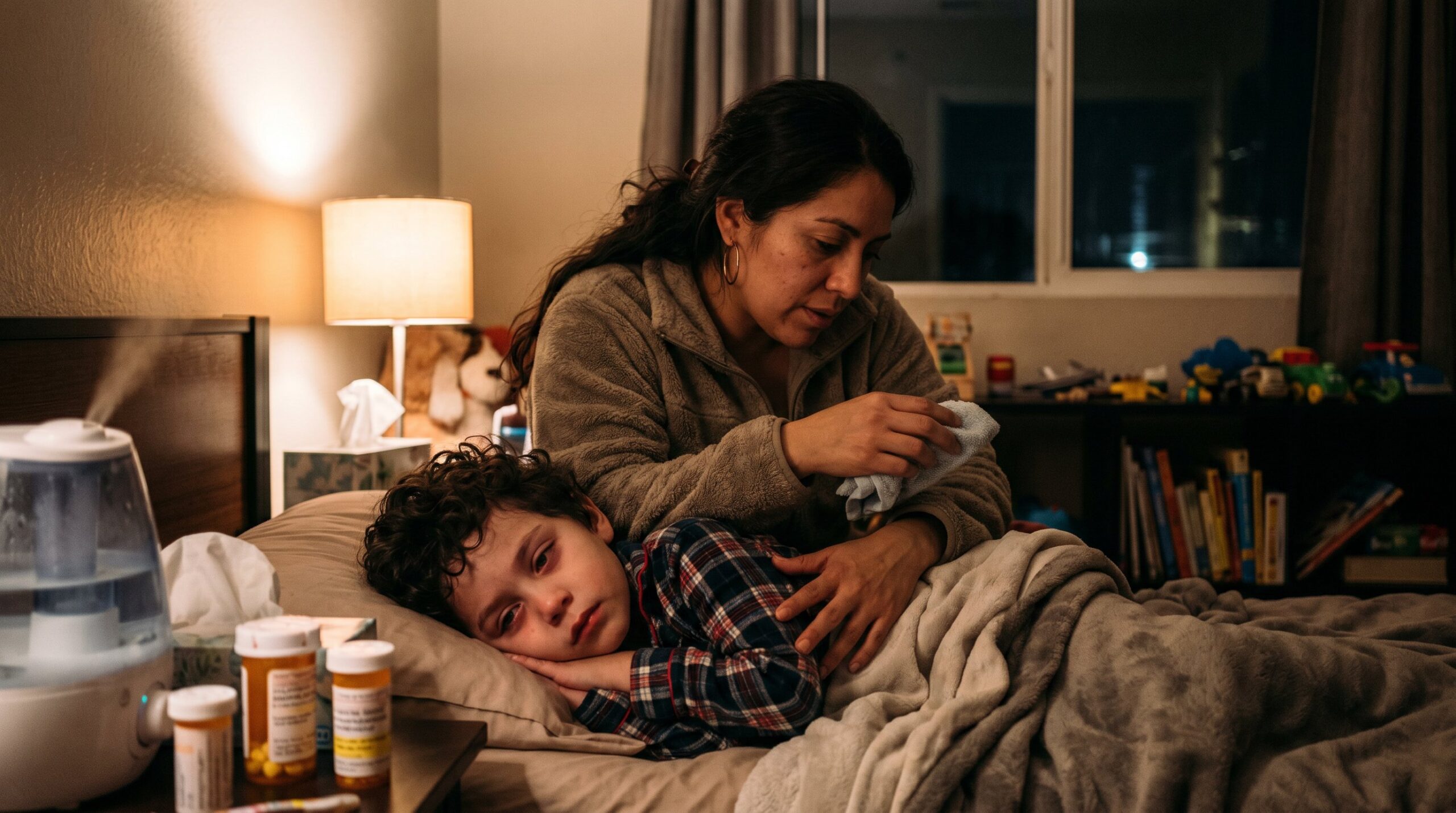

If you've ever felt under the weather on a weeknight after your regular primary care provider's office has closed, you've probably asked yourself the same question many of our patients ask: is an after-hours clinic the same as urgent care?
They sound similar, and both can be lifesavers when you don't want to wait until morning. But they're not quite the same thing.
In this post, we'll walk through what each one actually offers, when to choose one over the other, and how to make the right call for your family here in the Rio Grande Valley.
What Is an After-Hours Clinic?
An after-hours clinic is a primary care office that keeps its doors open beyond traditional business hours — think evenings, late afternoons, or Saturday mornings, times when most family practices are already closed.
The goal is simple. Patients shouldn't have to choose between missing work and getting routine medical attention.
An after-hours visit usually feels a lot like a regular checkup. You see a primary care provider, talk through your symptoms, and get personalized guidance.

For many families in Weslaco, having an after-hours clinic with care that fits your schedule means handling colds, minor injuries, or follow-ups without rearranging the whole day.
It's also worth distinguishing an after-hours clinic from a walk-in clinic, since the two are often confused. A walk-in clinic is typically a standalone facility — you show up without an appointment, get seen by whoever is on duty, and leave with little connection to your ongoing health record.
An after-hours clinic, by contrast, is usually an extension of a primary care practice. That means the provider you see at 7 p.m. on a Tuesday is working within the same care model as your daytime primary care provider, with access to your history, medications, and previous visits.
For families managing chronic conditions — or anyone who simply values knowing their provider — this distinction matters more than it might seem at first glance. The after-hours clinic format is built not just for convenience, but for continuity.
What Is Urgent Care?
Urgent care centers are designed for situations that fall between a regular primary care visit and the emergency room. They handle problems that need attention within 24 hours but aren't life-threatening — things like sprains, deeper cuts that may need stitches, or sudden high fevers.
Urgent care facilities are typically staffed for walk-ins and often have on-site X-ray equipment and basic lab capabilities. The focus is speed and triage rather than long-term care.
In other words, urgent care treats the moment. Records don't always transfer automatically to your regular primary care provider — sharing practices vary by facility — so there may be gaps in your ongoing health history unless you request a copy.
Key Differences Between After-Hours Clinics and Urgent Care

At first glance, both options seem to fill the same gap. Look closer, though, and you'll see they serve different purposes.
An after-hours clinic is an extension of primary care. Urgent care is a typically separate model built around immediate, episodic needs.
The biggest difference comes down to continuity. After-hours clinics connect your visit to your ongoing health history. Urgent care tends to be a one-time stop, and record integration with your primary care provider isn't guaranteed.
Scope of Services and Conditions Treated
After-hours clinics commonly handle:
-
Minor illnesses like sore throats, ear infections, or sinus issues
-
Follow-ups on chronic conditions such as diabetes or high blood pressure
-
Refills, lab reviews, and patient education
Urgent care, on the other hand, leans toward acute issues — non-displaced fractures, mild asthma flare-ups, or wounds needing quick repair. Both have their place, and knowing the difference helps you pick what fits your situation.
When to Choose an After-Hours Clinic Over Urgent Care
If your concern is something a primary care provider would normally handle but the timing is inconvenient, an after-hours clinic is usually the better fit. That might include a lingering cough, blood pressure questions, medication concerns, or a child's mild fever that started after dinner.
You'll generally get more personalized attention and a calmer pace. The provider can review your history, adjust ongoing care plans, and document everything in one place.
Urgent care makes more sense when you need imaging, stitches, or quick evaluation of an injury. For most everyday concerns, though, staying within the range of primary care services you already trust tends to feel more comfortable and connected.
When to Go to the Emergency Room
Neither an after-hours clinic nor urgent care is the right call for every situation. If you or a family member is experiencing a true medical emergency, the emergency room is where you need to be — no detours.
That includes chest pain, difficulty breathing, signs of a stroke such as facial drooping or slurred speech, severe allergic reactions, uncontrolled bleeding, or loss of consciousness. In these moments, minutes matter, and neither a walk-in clinic nor an after-hours primary care visit is equipped to provide emergency-level care.
It helps to think of your options on a spectrum. After-hours clinics handle routine and ongoing care outside of regular business hours. Urgent care handles acute but non-life-threatening conditions that need same-day attention. The ER handles everything that can't wait and could be life-threatening.
Knowing where your symptoms fall on that spectrum — before you're in the middle of a stressful moment — can save valuable time and, in serious cases, lives. If you're ever unsure, call ahead or contact your primary care provider for guidance.
Cost, Insurance, and Wait Time Considerations
Cost is one of the first things patients ask about, and rightly so. After-hours primary care visits are often billed similarly to a standard office appointment. Urgent care visits can carry a higher copay because they're classified differently by many insurance plans.
Wait times vary too. Urgent care centers can get busy quickly on weekends, especially during cold and flu season. After-hours appointments at a primary care clinic tend to be more predictable, since many run on scheduled or limited walk-in models.
It's always worth checking your insurance benefits before you go. And if you're unsure which option applies, a quick call to contact the clinic can save time and money.
Is an After-Hours Clinic the Same as Urgent Care: Choosing the Right Care Option in the Rio Grande Valley
Here in the Rio Grande Valley, families juggle long workdays, school schedules, and the realities of caring for parents and kids at the same time. Whether you're driving in from Mercedes, Donna, or right here off Business 83 in Weslaco, the goal is finding care that meets you where you are.
At Davila's Clinic, we approach evening and Saturday visits as a natural part of comprehensive primary care — not a separate emergency service. That means your provider knows your history, your medications, and the questions you've asked before.
If you're weighing your options, take a look at the full list of available services or learn more about the clinic and how we support patients long term. The right choice usually isn't about urgency. It's about who knows your health best.
When something comes up after hours, you don't have to guess. Reach out, ask questions, and schedule a visit when it fits your schedule. Proactive, steady care almost always feels better than rushed care — and your primary care team is here to help you sort through what you need next.
Is an after-hours clinic the same as urgent care?
No. An after-hours clinic is an extension of a primary care practice that stays open during evenings or weekends, offering routine care with continuity. Urgent care is typically a standalone facility built for immediate, episodic needs like sprains or stitches. Both treat non-emergencies, but after-hours clinics keep your visit connected to your ongoing medical history, while urgent care treats the moment and may not automatically share records with your primary care provider.
Can an after-hours clinic treat my child's fever or earache?
Yes. An after-hours clinic is well-suited for common childhood concerns like fevers, earaches, sore throats, and mild respiratory symptoms. Because the visit happens within a primary care setting, the provider can review your child's history, document the visit properly, and coordinate any necessary follow-up. For most everyday pediatric concerns that pop up after dinner or on a Saturday, an after-hours visit is often the most comfortable choice.
When should I go to urgent care instead of an after-hours clinic?
Choose urgent care when you need services a primary care office typically doesn't provide on short notice — like X-rays, stitches, or quick evaluation of a possible fracture. Urgent care is also helpful for asthma flare-ups or deeper wounds that need immediate attention. If your concern is acute, injury-related, or requires imaging, urgent care is generally the faster, better-equipped option for that specific moment.
Are after-hours clinics cheaper than urgent care?
In many cases, yes. After-hours primary care visits are often billed as standard office appointments, which means your usual copay typically applies. Urgent care visits are classified differently by most insurance plans and frequently carry a higher copay. Costs vary by plan, so we always recommend checking your benefits beforehand.
Do I need an appointment for an after-hours clinic visit?
It depends on the clinic. Many after-hours clinics, including ours, operate on a scheduled or limited walk-in basis to keep wait times predictable. Calling ahead is always a smart move — it confirms availability, lets staff prepare your chart, and helps the provider give you focused attention.
Will my regular primary care provider see the records from an after-hours visit?
Yes — when the after-hours clinic is part of your primary care practice, your visit notes, prescriptions, and test results flow directly into your existing medical record. That continuity is one of the biggest advantages over a walk-in or urgent care visit, where records may not transfer automatically. Your daytime provider stays informed, which makes follow-up care smoother and helps avoid duplicate tests or conflicting recommendations.
What symptoms mean I should skip both and go straight to the ER?
Head to the emergency room for chest pain, difficulty breathing, signs of a stroke such as facial drooping or slurred speech, severe allergic reactions, uncontrolled bleeding, major head injuries, or loss of consciousness. These situations require equipment and expertise that neither an after-hours clinic nor urgent care can provide. When symptoms feel life-threatening, don't wait — call 911 or go to the nearest ER.
Can an after-hours clinic help manage chronic conditions like diabetes or high blood pressure?
Absolutely. Managing chronic conditions is exactly where an after-hours clinic has a distinct advantage — and it comes down to one key question: is an after-hours clinic the same as urgent care? The short answer is no. Urgent care is designed for one-time, episodic visits where providers have little to no access to your medical history. An after-hours primary care clinic, by contrast, operates as an extension of your regular care team.
Because your provider has access to your complete medical history, they can review recent labs, adjust medications, answer questions about your treatment plan, and document changes within your ongoing record. If your concern relates to a chronic condition like diabetes or high blood pressure, an after-hours primary care visit — not urgent care — is the right call.