When Should I Go to an After Hours Clinic? A Guide for Weslaco Families
When should I go to an after hours clinic? Discover the signs, symptoms, and situations that make after-hours care the right choice for you and your family.
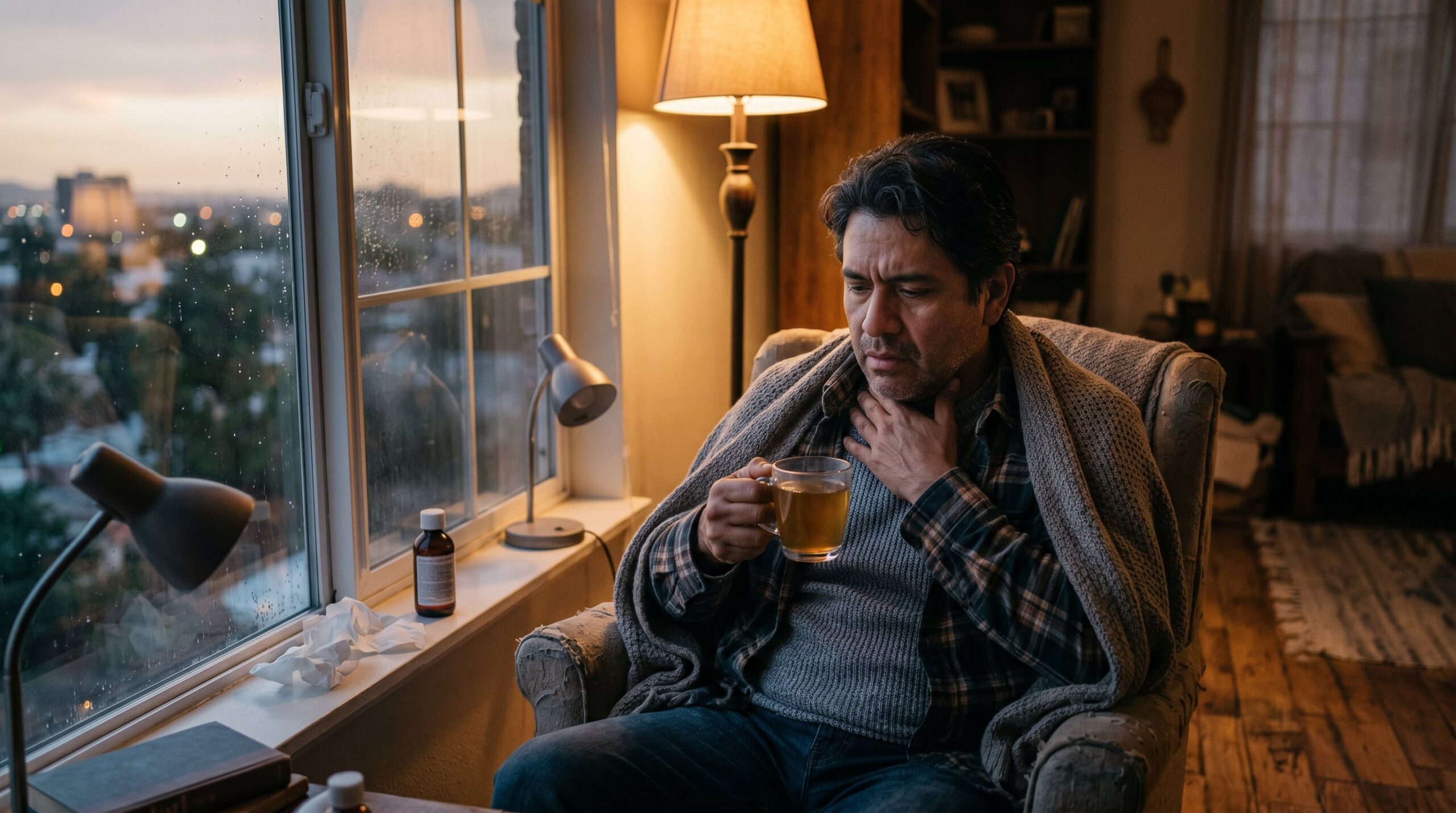
It's 7 p.m., your throat is on fire, and your doctor's office is closed. ER or after hours clinic? If you've ever stood in your kitchen Googling "when should I go to an after hours clinic," you're not alone, and this guide will give you a clear, practical answer. An after hours clinic (sometimes called a walk-in clinic or urgent care clinic) is built for exactly this kind of moment: symptoms that feel too real to ignore but aren't a medical emergency.
In Weslaco, an after hours visit is the right call for non-life-threatening issues like sore throats, fevers, minor injuries, and infections. You get same-day care without the ER wait or the ER bill. But knowing when to choose an after hours clinic over the ER matters, and this guide walks you through it step by step. For chest pain, difficulty breathing, or severe bleeding, call 911. No guide needed.
What an After Hours Clinic Is and How It Differs From the ER
An after hours clinic is a primary care office that stays open beyond standard business hours, usually in the evenings or on weekends. It's designed for non-emergency concerns that still need same-day attention.
You may also hear these facilities called walk-in clinics or urgent care clinics, and the terms are often used interchangeably in everyday conversation. It's worth noting that a true urgent care center is a distinct facility type with its own staffing and equipment standards — what sets a primary care–based after hours clinic apart is continuity. In practice, an after hours care clinic fills the gap that same-day clinics and walk-in clinics were designed to address: conditions that are too pressing to wait a week for an appointment but not severe enough to justify a medical emergency visit or a hospital ER.
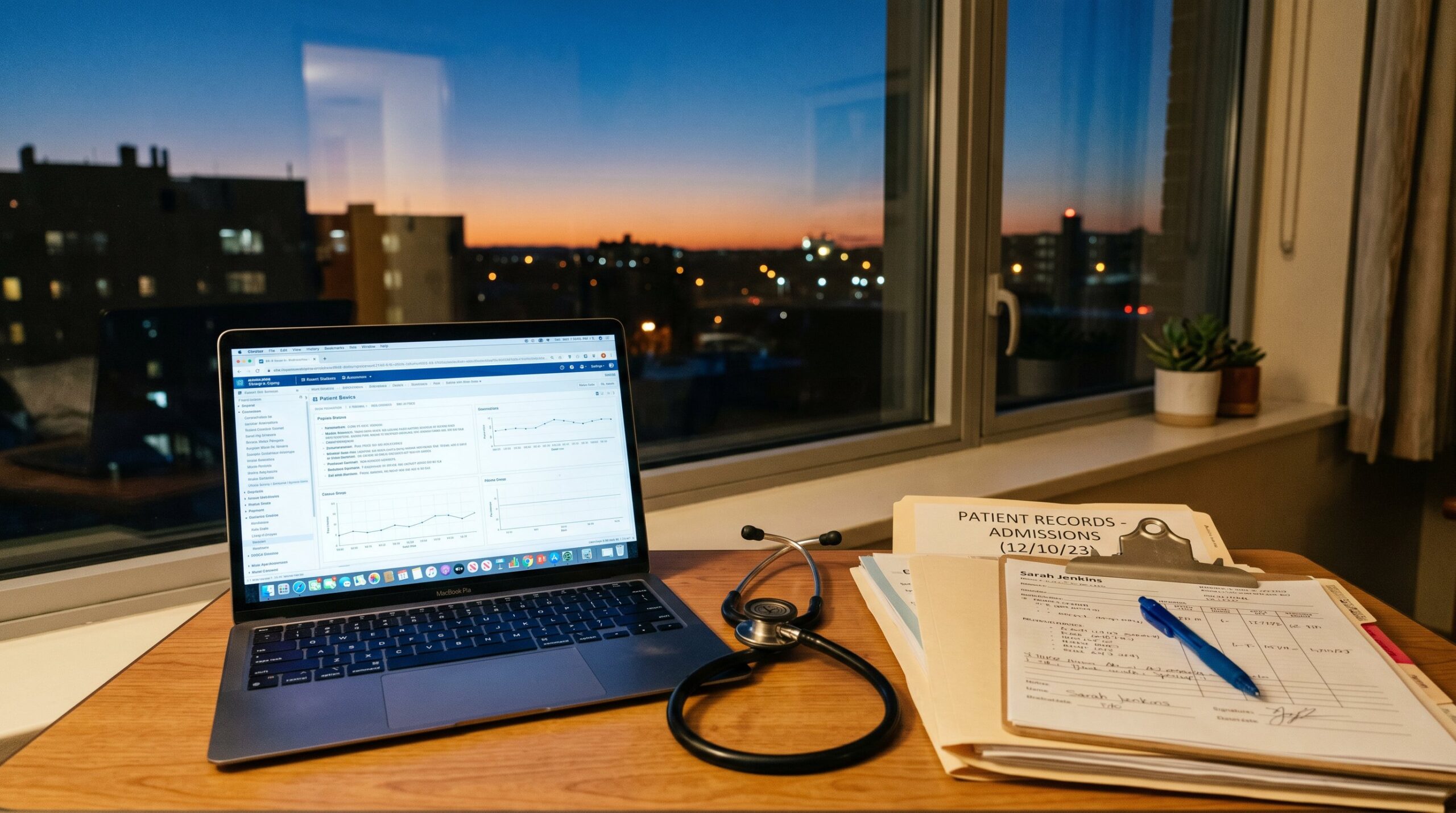
What sets a primary care–based after hours clinic apart from a standalone walk-in urgent care setting is continuity — your provider already knows your health history, your medications, and your baseline. Here's what that continuity looks like in practice:
-
Shared health records: Clinics tied into your regular provider's electronic health records can pull up your full history instantly.
-
Medication safety: Providers can flag potential drug interactions before prescribing anything new.
-
No duplicate testing: Recent labs, imaging, or screenings are already on file, saving you time and money.
-
Informed treatment decisions: Your baseline vitals, chronic conditions, and past visits guide faster, more accurate care.
-
Seamless follow-up: Notes from your after hours visit flow directly to your primary care provider for any needed next steps.
The emergency room, by contrast, is built for life-threatening situations and major trauma. Research on after-hours care and its coordination with primary care shows that having access to evening and weekend visits can reduce unnecessary ER use and keep care connected to your regular provider.
Common Symptoms and Situations That Call for an After Hours Visit
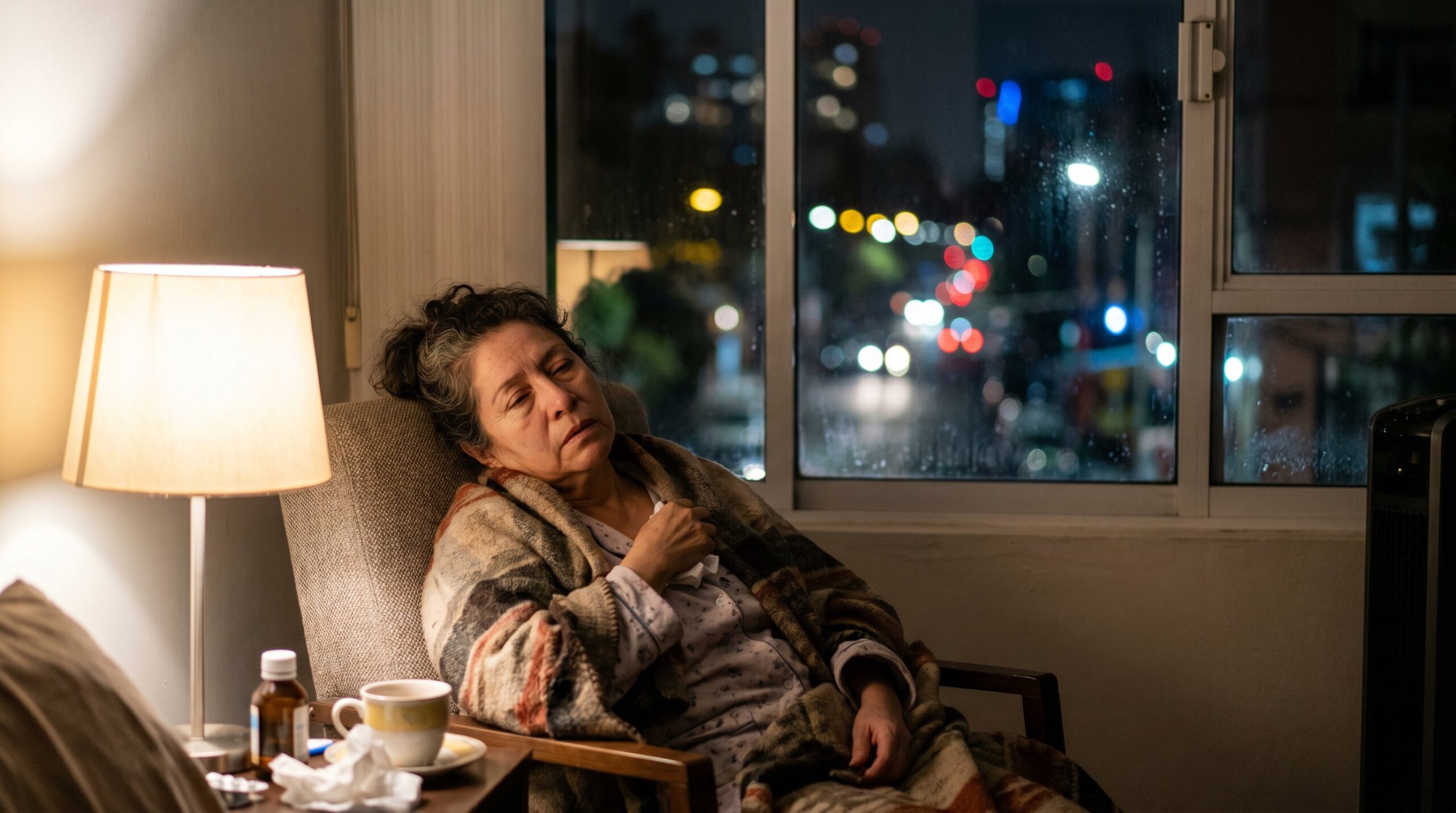
After hours care fits best when symptoms are uncomfortable but stable. Common reasons patients walk in include:
-
Sore throats, coughs, or sinus pressure
-
Mild to moderate fevers
-
Urinary discomfort
-
Minor cuts, sprains, or rashes
-
Flu-like symptoms or stomach bugs
-
Medication refills you can't wait on
These are issues a primary care provider can often evaluate, treat, or refer in a single visit. You can review the available services at our Weslaco clinic to see what's typically handled in this setting.
When to Skip the Clinic and Head Straight to the Emergency Room
Some symptoms shouldn't wait for a clinic visit. Call 911 or go to the nearest ER for:
-
Chest pain or pressure
-
Trouble breathing
-
Signs of stroke (facial drooping, slurred speech, sudden weakness)
-
Severe bleeding or head injury
-
Sudden, severe abdominal pain
-
Loss of consciousness
When in doubt, choose the higher level of care. An after hours clinic is a bridge for the in-between moments, not a substitute for emergency medicine.

How to Decide: A Simple 3-Step Process
When symptoms hit unexpectedly, it can be hard to think clearly about where to go. Use this quick framework to guide your decision:
Step 1 — Ask: Is this life-threatening? If you have chest pain, can't breathe, suspect a stroke, or are bleeding severely, stop here. Call 911 or go to the ER immediately. An after hours care clinic is not equipped for medical emergencies requiring immediate intervention.
Step 2 — Ask: Does this need same-day attention? If your answer is yes but the symptoms are stable — a high fever, a possible UTI, a sprain, or a sick child — an after hours walk-in clinic visit is likely your best option. Clinics handle these concerns efficiently, often with shorter wait times and lower costs than an ER.
Step 3 — Ask: Can this wait 24–48 hours? Mild, slow-moving symptoms that aren't getting worse are often fine to manage at home until your primary care provider has an opening. Clinics fill an important role, but not every concern needs to be seen today.
Following these three steps takes less than a minute and can save you hours in an ER waiting room — or help you avoid delaying care you actually need.
Signs You Can Safely Wait for Your Primary Care Provider
Not every concern needs same-day care. You can usually wait for a scheduled appointment when symptoms are mild, slow-moving, or part of an ongoing condition you already manage.
Examples include routine blood pressure checks, medication reviews, lingering but stable aches, or follow-ups on lab work. These are a good fit for ongoing primary care services, where your provider can see the full picture of your health rather than treat a single moment in isolation.
What to Bring and Expect During Your After Hours Appointment
Bring a photo ID, your insurance card, a list of current medications, and a short summary of your symptoms and when they started. If you track blood pressure or blood sugar at home, bring those numbers too.
Visits tend to move efficiently. A provider will review your history, examine you, and discuss next steps, which may include testing, a prescription, or a follow-up. If you're wondering when should I go to an after hours clinic, the answer is simple: anytime you have a non-life-threatening concern that can't wait for your regular doctor's next opening. For details on after-hours options open late in Weslaco, it helps to check hours before heading in.
After Hours Care for Children, Seniors, and Chronic Conditions in the Rio Grande Valley
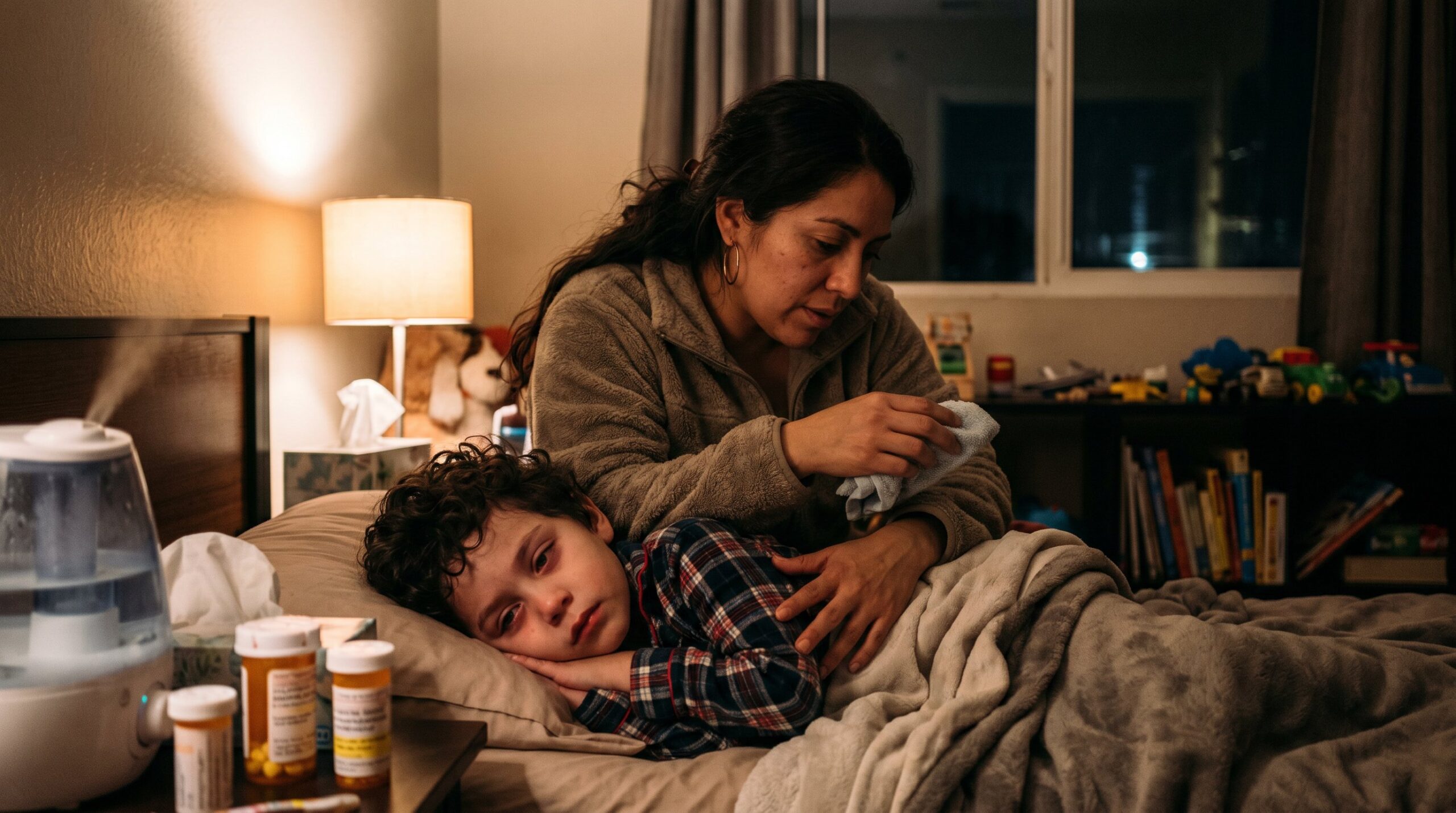
Families across the Rio Grande Valley often need flexible care that fits around school, work, and caregiving. After hours visits can help with a child's sudden fever, a senior's lingering cough, or a flare-up in a chronic condition like diabetes or high blood pressure.
For patients with ongoing health needs, continuity matters. Sharing visit notes with your regular provider keeps your care connected. If you're unsure whether a concern fits an after hours visit, reaching out to the clinic for guidance is a reasonable first step.
After hours walk-in clinics care for patients across every stage of life, and the Rio Grande Valley's working families often need that flexibility most on evenings and weekends.
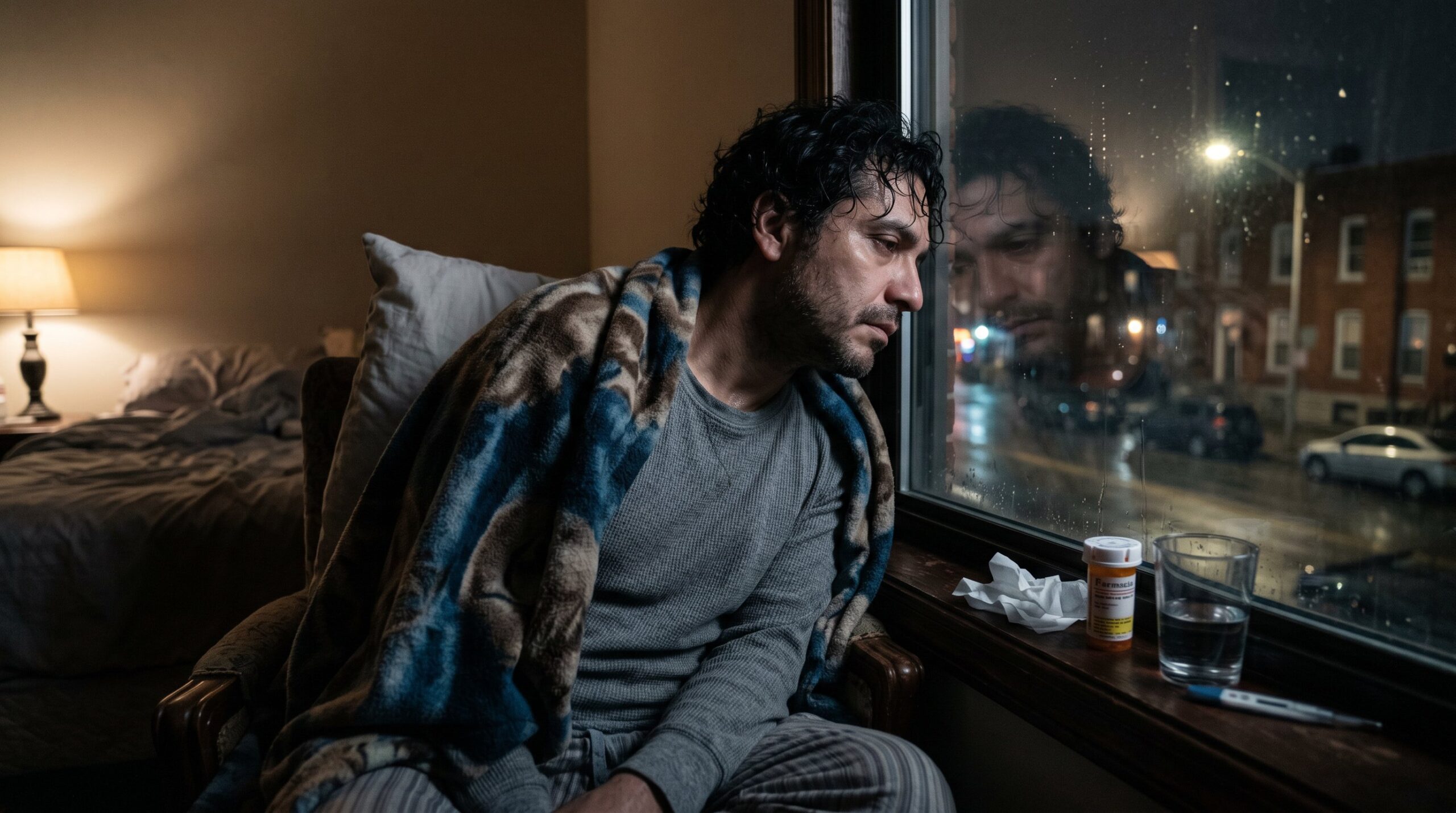
For children, an after hours visit is appropriate for sudden fevers of 100.4°F (38°C) or higher, earaches, pink eye, mild asthma flare-ups (at clinics equipped with bronchodilator capability), or a rash that appeared overnight — situations where waiting until Monday could mean a miserable few days or a worsening infection. Clinics equipped to see pediatric patients can often provide strep tests, breathing treatments, and prescription antibiotics in a single visit.
For seniors, after hours care is especially valuable for managing a spike in blood pressure, a UTI, a fall with minor injury, or a flare-up of a managed chronic condition like COPD or diabetes — situations where the ER feels like overkill but doing nothing feels risky.
Patients with chronic conditions should ideally receive after-hours care from a clinic that has access to their medical history, so providers can make decisions in the full context of their health rather than in isolation. If you manage a condition like diabetes or hypertension, consider keeping a brief summary card in your wallet — medication names, dosages, and recent lab values — so any provider seeing you after hours has what they need to help you safely.
Conclusion
Knowing when to use an after hours clinic gives you one more tool for protecting your family's health. When symptoms feel urgent but not emergent, evening and weekend care can be a calm, practical choice. To learn more about our approach, visit Davila's Clinic anytime.
When should I go to an after hours clinic instead of the ER?
Visit an after hours clinic for uncomfortable but stable symptoms like sore throats, mild fevers, urinary discomfort, or minor cuts — conditions that need same-day care but aren't life-threatening. At Davila's Clinic, we handle these concerns efficiently during evening and weekend hours.
Can an after hours clinic diagnose digestive issues like gastritis or norovirus?
Yes — digestive issues are common reasons for after-hours visits. A provider can evaluate nausea, vomiting, diarrhea, and stomach pain, and can help manage or distinguish a short-lived stomach bug like norovirus from symptoms suggesting gastritis or a GI infection that may need treatment. Keep in mind that norovirus is typically a clinical diagnosis — there is no rapid in-office test for it — and confirming gastritis often requires follow-up evaluation. Head to the ER for severe abdominal pain, blood in stool or vomit, signs of dehydration (dizziness, no urination, dry mouth), or symptoms lasting more than a few days. Otherwise, an after hours clinic can assess and treat.
What symptoms require an emergency room visit instead of after hours care?
Head to the ER immediately for chest pain, trouble breathing, signs of stroke, severe bleeding, sudden severe abdominal pain, or loss of consciousness. When in doubt, choose the higher level of care. After hours clinics bridge the gap between routine and emergency care.
Is after hours clinic care available on weekends in Weslaco?
Yes. Davila's Clinic offers after hours services on Saturdays from 8:00 AM to 1:00 PM and weekday evenings (Monday, Tuesday, Thursday, and Friday from 5:00 PM to 9:00 PM), providing flexible access for families and working professionals. Please confirm current hours directly with the clinic before your visit, as schedules may change.
What should I bring to my after hours clinic visit?
Bring your photo ID, insurance card, a list of current medications, and a summary of your symptoms and when they started. If you track blood pressure or blood sugar at home, bring those numbers too for a comprehensive evaluation.
Can after hours clinics help with chronic conditions like diabetes or high blood pressure?
Yes. After hours visits can address flare-ups or sudden concerns related to chronic conditions. Continuity of care matters — sharing visit notes with your regular provider keeps your health connected and ensures coordinated, long-term management.
How does an after hours clinic reduce unnecessary ER visits?
After hours clinics provide accessible same-day care for non-emergencies, reducing the need for costly ER visits. Research shows this access improves care coordination with your primary provider and helps manage urgent-but-stable concerns more efficiently.