Back to Blog
BlogJuly 29, 20268 min read
Scabies Treatment in Weslaco, TX: How to Get Relief and Stop the Spread
Seeking scabies treatment in Weslaco, TX? RGV Direct Care provides clinical evaluations, prescription options, and household guidance.
An itch that becomes more noticeable after bedtime may have several causes, including dry skin, an allergic reaction, or scabies. Scabies is a contagious skin condition associated with microscopic mites, and a timely evaluation may help limit spread among close contacts. For additional public health information, review the CDC’s guidance on scabies symptoms, diagnosis, and prevention. Please note that the content provided here is for informational purposes only and does not substitute for professional medical advice, diagnosis, or treatment; a formal clinical evaluation at our clinic is required before any specific treatment plan or prescription can be issued.
At RGV Direct Care, we offer clinical evaluations for suspected scabies in Weslaco, TX. If you are looking for Scabies Treatment in Weslaco, TX, our services include thorough assessments, prescription options when clinically appropriate, and practical guidance for patients and households. Learn more about seeing a scabies doctor in Weslaco for fast relief and family-focused care. An individualized care plan is designed to help families manage the infestation, support recovery from skin irritation, and outline preventative steps to lower the likelihood of reinfection.
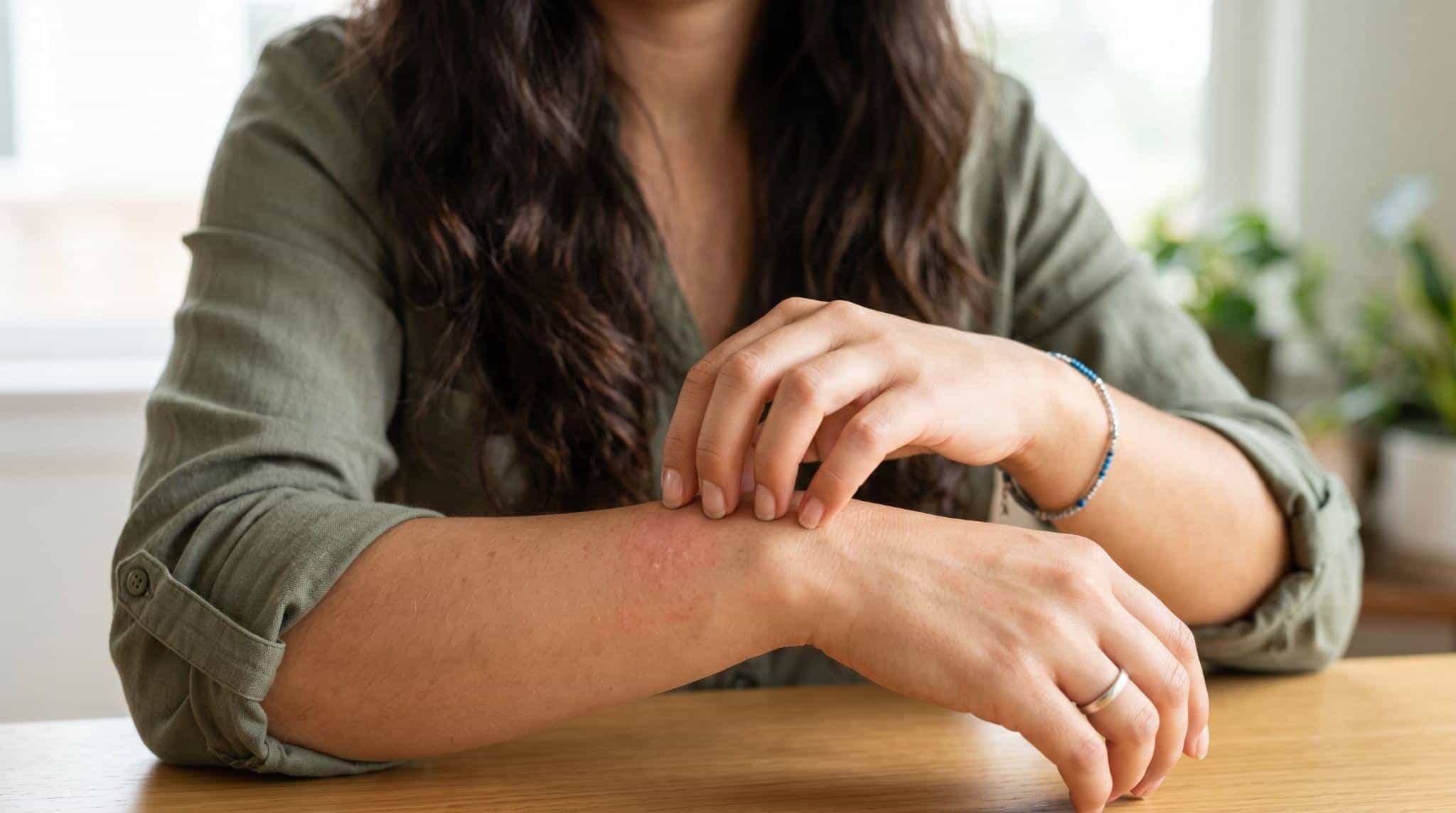 Scabies may cause significant itching and a pimple-like rash, although symptoms can vary. Itching is often reported as worse at night, when warmth and reduced distractions may make the sensation more noticeable.
The rash may appear between the fingers or around the wrists, elbows, waist, buttocks, nipples, or genitals. Some people may also notice thin, irregular grayish or whitish lines on the skin.
Symptoms may not begin right away. Following an initial exposure, itching can take several weeks to develop, even if the condition can be passed to others during that time. People who have had scabies previously may notice symptoms sooner.
Infants, older adults, and people with weakened immune systems may have less typical symptoms. Babies may develop a rash on the head, face, neck, palms, or soles. In some cases, crusted scabies may lead to thick, flaky skin patches and requires prompt medical attention.
Consider seeking care if itching persists, multiple household members develop similar symptoms, or there has been prolonged skin-to-skin contact with someone diagnosed with scabies. Fever, drainage, increasing pain, or spreading redness can sometimes suggest a skin infection related to scratching and should be evaluated promptly.
Scabies may cause significant itching and a pimple-like rash, although symptoms can vary. Itching is often reported as worse at night, when warmth and reduced distractions may make the sensation more noticeable.
The rash may appear between the fingers or around the wrists, elbows, waist, buttocks, nipples, or genitals. Some people may also notice thin, irregular grayish or whitish lines on the skin.
Symptoms may not begin right away. Following an initial exposure, itching can take several weeks to develop, even if the condition can be passed to others during that time. People who have had scabies previously may notice symptoms sooner.
Infants, older adults, and people with weakened immune systems may have less typical symptoms. Babies may develop a rash on the head, face, neck, palms, or soles. In some cases, crusted scabies may lead to thick, flaky skin patches and requires prompt medical attention.
Consider seeking care if itching persists, multiple household members develop similar symptoms, or there has been prolonged skin-to-skin contact with someone diagnosed with scabies. Fever, drainage, increasing pain, or spreading redness can sometimes suggest a skin infection related to scratching and should be evaluated promptly.
 An accurate diagnosis can be helpful because eczema, insect bites, contact dermatitis, and other skin conditions may resemble scabies. Identifying the underlying cause can support a more appropriate treatment plan.
At RGV Direct Care, we may ask when the itching began, whether it seems worse at night, and whether relatives, partners, roommates, or caregivers have similar symptoms. We also examine the appearance and distribution of the rash, including areas between the fingers and along skin folds.
In some cases, a clinician may examine a skin scraping under a microscope or use another close-inspection method to look for signs of scabies. Because a typical infestation may involve relatively few mites, a negative scraping may not fully rule out the condition.
People seeking care near downtown Weslaco or elsewhere in the Mid-Valley may wish to bring a list of symptoms, recent treatments, medications, allergies, and affected household members. Our home page offers additional information, while our About Us page explains our patient-centered philosophy.
A timely evaluation may be especially important for pregnant patients, young children, immunocompromised individuals, and anyone with thick crusting or extensive skin changes.
An accurate diagnosis can be helpful because eczema, insect bites, contact dermatitis, and other skin conditions may resemble scabies. Identifying the underlying cause can support a more appropriate treatment plan.
At RGV Direct Care, we may ask when the itching began, whether it seems worse at night, and whether relatives, partners, roommates, or caregivers have similar symptoms. We also examine the appearance and distribution of the rash, including areas between the fingers and along skin folds.
In some cases, a clinician may examine a skin scraping under a microscope or use another close-inspection method to look for signs of scabies. Because a typical infestation may involve relatively few mites, a negative scraping may not fully rule out the condition.
People seeking care near downtown Weslaco or elsewhere in the Mid-Valley may wish to bring a list of symptoms, recent treatments, medications, allergies, and affected household members. Our home page offers additional information, while our About Us page explains our patient-centered philosophy.
A timely evaluation may be especially important for pregnant patients, young children, immunocompromised individuals, and anyone with thick crusting or extensive skin changes.
Recognizing Scabies and Knowing When to Seek Care
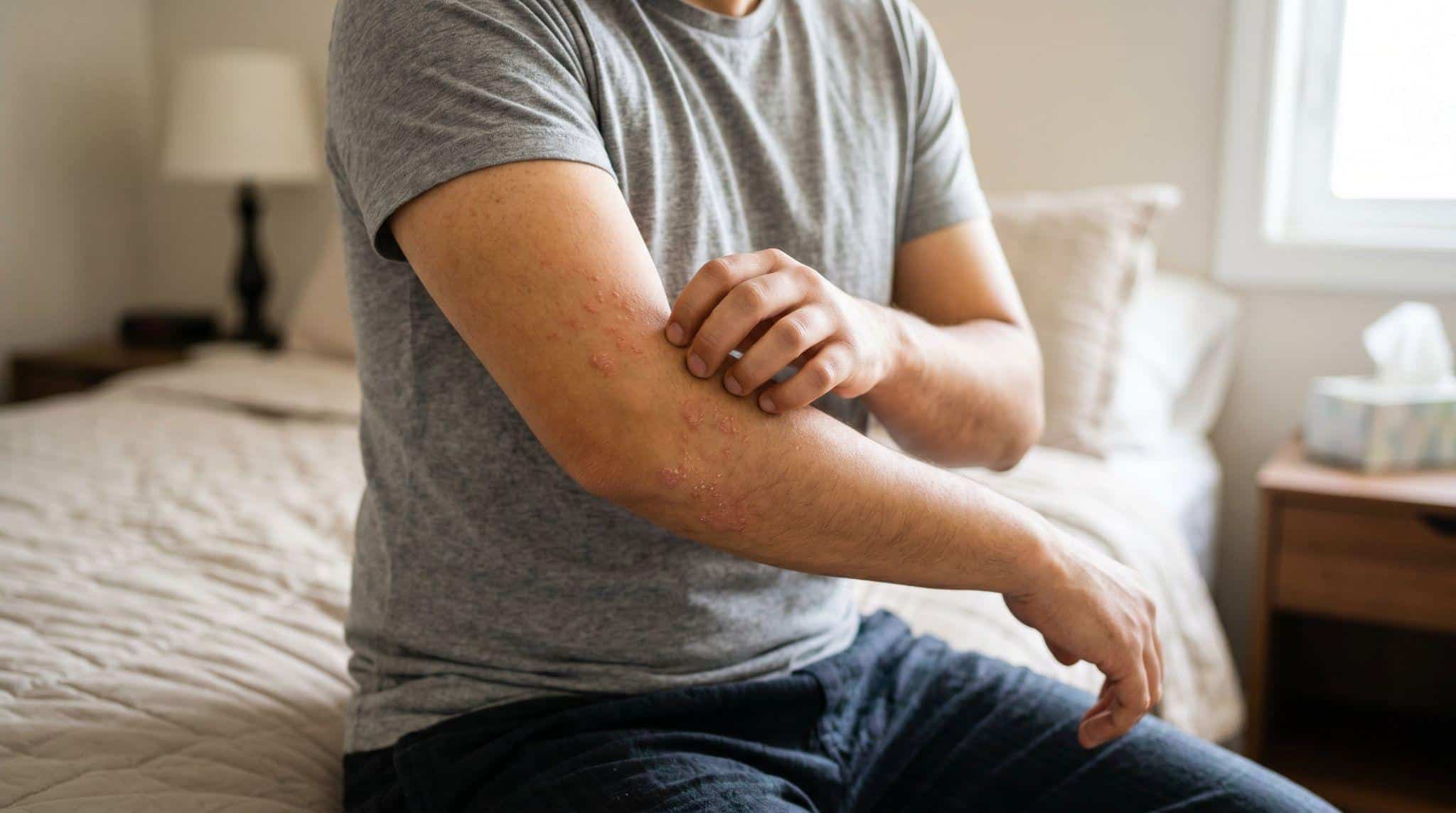
Scabies may cause significant itching and a pimple-like rash, although symptoms can vary. Itching is often reported as worse at night, when warmth and reduced distractions may make the sensation more noticeable.
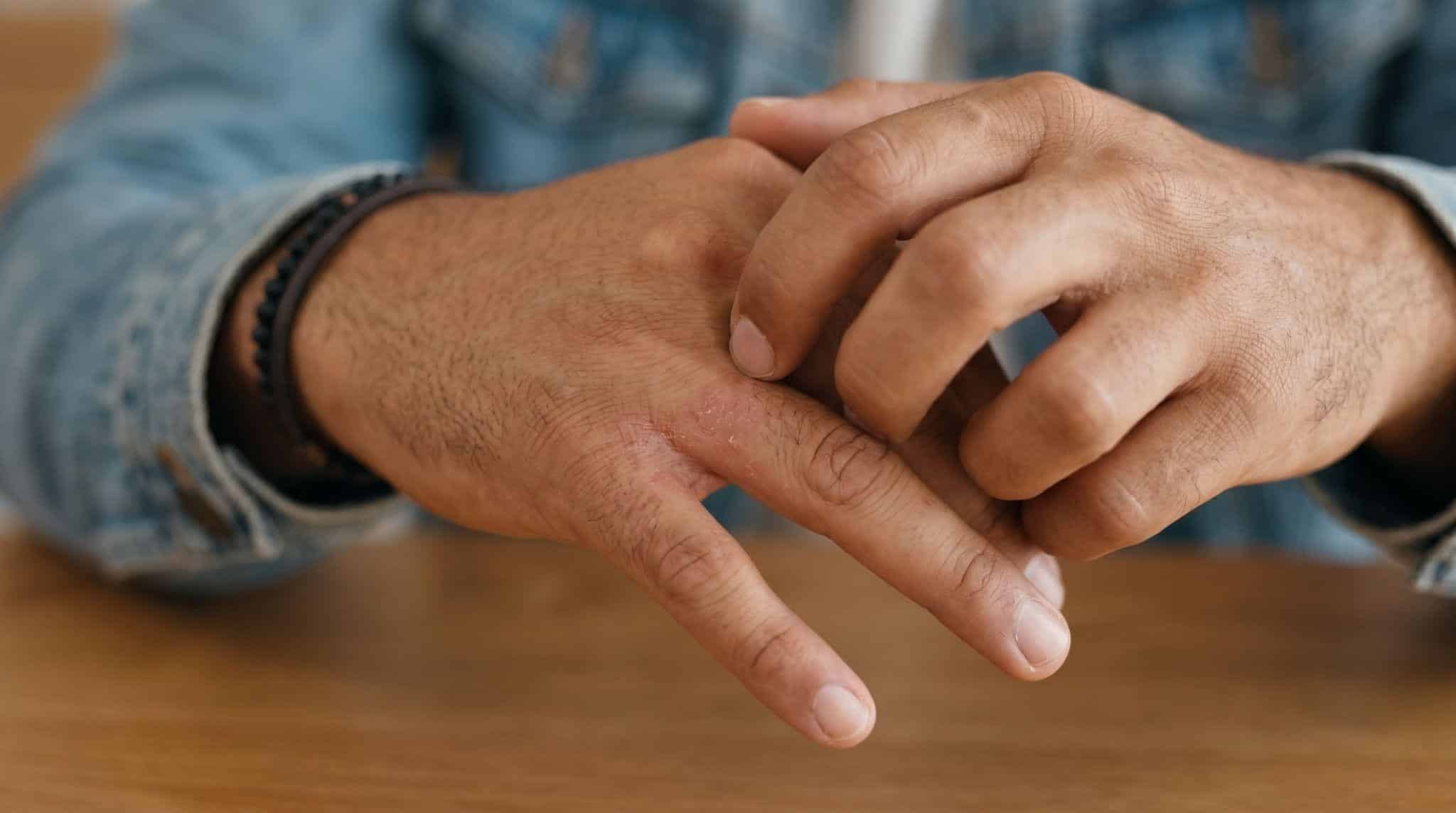
The rash may appear between the fingers or around the wrists, elbows, waist, buttocks, nipples, or genitals. Some people may also notice thin, irregular grayish or whitish lines on the skin.
Symptoms may not begin right away. Following an initial exposure, itching can take several weeks to develop, even if the condition can be passed to others during that time. People who have had scabies previously may notice symptoms sooner.
Infants, older adults, and people with weakened immune systems may have less typical symptoms. Babies may develop a rash on the head, face, neck, palms, or soles. In some cases, crusted scabies may lead to thick, flaky skin patches and requires prompt medical attention.
Consider seeking care if itching persists, multiple household members develop similar symptoms, or there has been prolonged skin-to-skin contact with someone diagnosed with scabies. Fever, drainage, increasing pain, or spreading redness can sometimes suggest a skin infection related to scratching and should be evaluated promptly.
Getting a Scabies Diagnosis in Weslaco
An accurate diagnosis can be helpful because eczema, insect bites, contact dermatitis, and other skin conditions may resemble scabies. Identifying the underlying cause can support a more appropriate treatment plan.
At RGV Direct Care, we may ask when the itching began, whether it seems worse at night, and whether relatives, partners, roommates, or caregivers have similar symptoms. We also examine the appearance and distribution of the rash, including areas between the fingers and along skin folds.
In some cases, a clinician may examine a skin scraping under a microscope or use another close-inspection method to look for signs of scabies. Because a typical infestation may involve relatively few mites, a negative scraping may not fully rule out the condition.
People seeking care near downtown Weslaco or elsewhere in the Mid-Valley may wish to bring a list of symptoms, recent treatments, medications, allergies, and affected household members. Our home page offers additional information, while our About Us page explains our patient-centered philosophy.
A timely evaluation may be especially important for pregnant patients, young children, immunocompromised individuals, and anyone with thick crusting or extensive skin changes.
How Scabies Treatment Works
Scabies treatment generally focuses on addressing the mites and considering whether close contacts may also need care. Over-the-counter anti-itch products may provide temporary comfort, but they typically do not treat the underlying infestation. At RGV Direct Care, we consider the patient’s age, pregnancy status, medical history, symptom severity, and household circumstances before recommending treatment. Following instructions carefully can help support the treatment process. Using too little medication, washing it off sooner than directed, or treating only visible areas may reduce effectiveness.Prescription Treatment Options for Scabies
Prescription treatments may be available in topical or oral forms, depending on the patient’s needs and the clinician’s assessment. A clinician can explain how and where to apply a topical treatment, how long to leave it on, and whether another treatment course may be appropriate. Some patients, including those with more extensive symptoms or certain medical circumstances, may be candidates for an oral prescription option. These medications are not right for everyone, so treatment decisions should be based on an individual evaluation of potential benefits and risks. Patients should avoid using veterinary products, agricultural pesticides, bleach, or household insect sprays on the skin. These products may cause harm and are not safe alternatives to medical care.Managing Itching and Skin Irritation During Recovery
Persistent itching does not necessarily mean treatment was unsuccessful. Skin irritation may continue for several weeks as the body gradually settles after treatment. Cool compresses, fragrance-free moisturizers, and lukewarm showers may help soothe irritated skin. Depending on symptoms and health history, a clinician may also recommend an oral antihistamine, a topical corticosteroid, or another supportive option. Keeping fingernails short may help reduce skin damage from scratching. If the skin becomes warm, painful, swollen, crusted, or develops pus, an evaluation is recommended because scratching can sometimes contribute to a bacterial skin infection. New burrows or fresh pimple-like lesions after treatment may warrant follow-up. Symptoms that do not gradually improve can have several possible explanations, such as application issues, untreated contacts, reinfestation, treatment response, or another skin condition. A clinician can reassess the situation and recommend next steps.
Treating Close Contacts and Preventing Reinfection at Home
Scabies may return when one person receives treatment while another exposed household member does not. Household members, sexual partners, and others who have had prolonged skin-to-skin contact may need to be considered for treatment at the same time, even if they do not yet have symptoms. Scabies is usually associated with prolonged direct skin contact rather than brief casual contact. Sharing a bed, clothing, or towels may also contribute to spread. Until treatment has been completed as directed, it may be helpful to limit close skin contact and avoid sharing personal fabrics. On the day treatment begins, consider these practical steps:- Wash recently used fabrics. Machine-wash clothing, sheets, pillowcases, and towels used during the previous three days in hot water, then dry them on a hot cycle.
- Seal unwashable belongings. Place items that cannot be washed in a closed plastic bag for at least 72 hours. Away from human skin, scabies mites generally do not survive for long.
- Vacuum upholstered surfaces. Vacuum mattresses, rugs, sofas, and vehicle seats that had substantial skin contact. Routine cleaning is generally sufficient for typical scabies.
- Coordinate care when advised. Following a shared treatment plan for potentially exposed close contacts may help reduce the chance of repeated exposure.
- Follow the recommended schedule. If a follow-up treatment is prescribed, placing it on the calendar may help patients stay on track.