
Zero-Click Search for Local Businesses: Win Visibility Without the Click
A zero-click search strategy for local businesses turns search results into conversion points for calls, bookings, directions, and visits—even when users never reach the website.
A local company can appear in hundreds of searches while website traffic stays flat because customers increasingly make decisions directly from profiles, maps, featured answers, and AI-generated summaries. Pew Research Center found that users clicked a traditional search result in just 8% of visits when a Google AI summary appeared, compared with 15% when no AI summary was shown.
This guide explains how to improve business profiles, provide clear local answers, build trust, and measure results beyond clicks so every search appearance can support revenue.
How Do Zero-Click Searches Affect Local Businesses?
Zero-click searches matter because local customers can choose, contact, and visit a business without opening its website.
A zero-click search ends on the results page. For local queries, Google may show hours, reviews, services, photos, directions, availability, and call or booking buttons before a searcher visits any site.
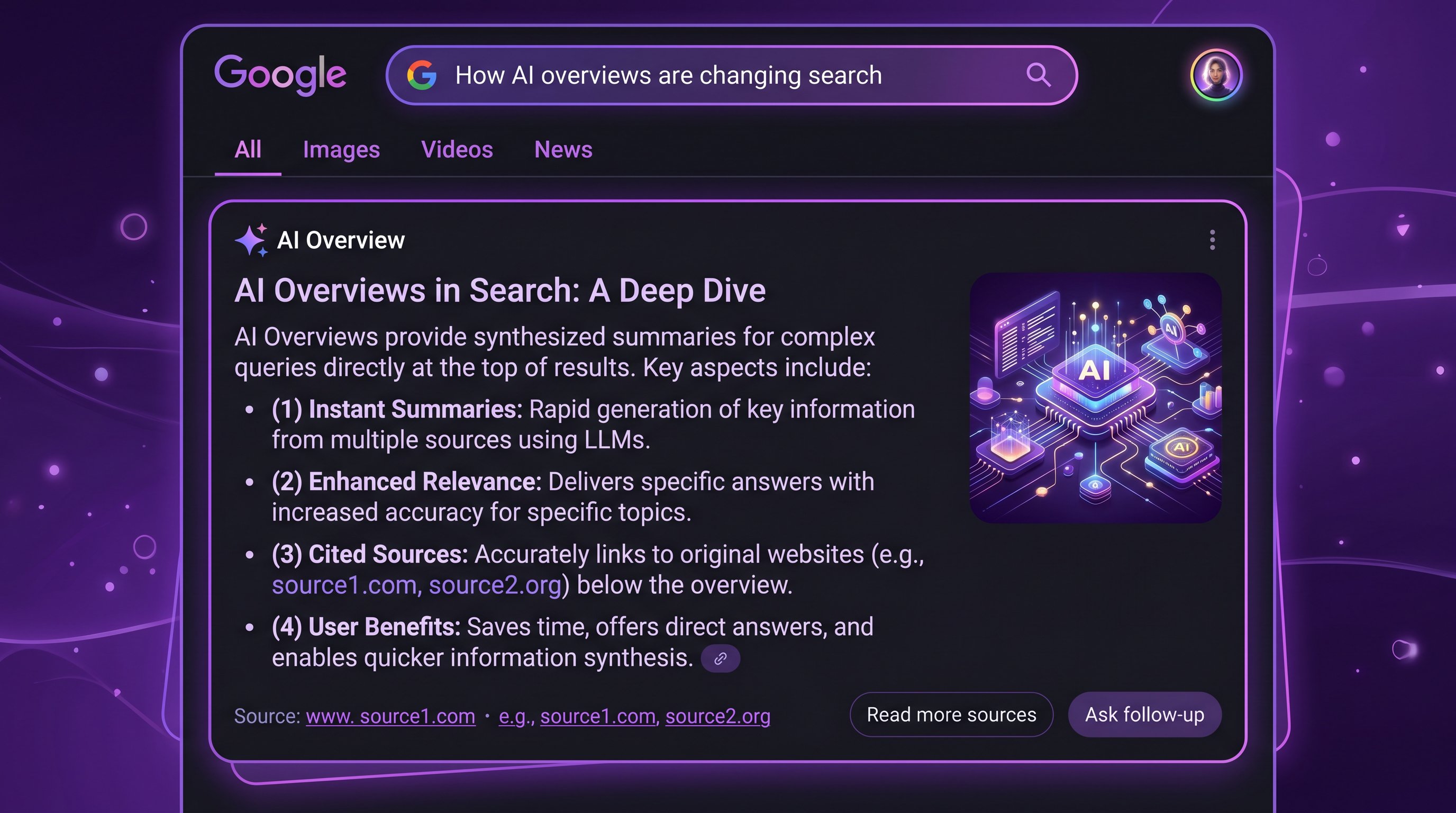
AI has extended this behavior by answering conversational questions such as “Which nearby dentist offers Saturday appointments?” or “Who repairs boilers tonight?” These answers can shape a buying decision while producing little referral traffic.
Fewer clicks do not make visibility worthless. A customer may discover a plumber in Google Maps, remember the name, compare reviews, and call directly. The goal is therefore to be accurate, trusted, memorable, and easy to contact wherever the decision happens.
Actionable AI Visibility Steps
Keep important pages crawlable and indexable so search and AI systems can understand them. Avoid opting out of search features unless the business model requires restricted access.
Track AI Overviews, AI Mode, and other answer engines separately because their click patterns differ.
Record a baseline for citations, branded searches, direct traffic, calls, bookings, and direction requests, then compare changes monthly.
Explain to leadership that AI visibility often creates awareness that later appears as branded demand, direct visits, or offline conversions rather than referral clicks.
Turning a Google Business Profile Into a Conversion Engine

A complete Google Business Profile can convert nearby searches into calls, bookings, messages, and direction requests without requiring a website visit.
A GBP is more than a digital business card. It works like a staffed front desk that answers common questions, proves credibility, and helps customers act at any time.
Google can use Maps and profile information when generating local recommendations. Complete, accurate data therefore improves the business’s chance of appearing when someone asks for a nearby dentist, café, roofer, accountant, or other provider.
Choose the most accurate primary category and only relevant secondary categories. Unrelated categories create confusion and may weaken trust rather than expand reach.
How Should Businesses Optimize Their Information, Services, Photos, and Posts?
Google’s Business Profile guidelines recommend keeping your business name, address, phone number, website, and operating hours consistent with real-world information. Update holiday and special hours promptly, as a single wasted trip can erode customer trust.
Describe each service in plain, customer-focused language. Instead of listing only “Drain Services,” explain “blocked drain clearing, camera inspections, and emergency drain repair.” Specific descriptions help customers and search systems understand relevance.
Upload recent, high-quality images of the location, team, products, and completed work. Fresh photos function like clean storefront windows, showing that the business is active and legitimate. Add at least two useful images monthly.
Publish short posts about offers, events, seasonal services, new products, or availability. A practical weekly update keeps the profile current without creating a major content burden.
Make immediate action simple. Test call, booking, menu, message, website, and direction links on a mobile device. Remove outdated products, services, photos, links, and special hours, and respond to every unanswered review.
This Week’s Google Business Profile Checklist
Confirm the name, categories, address, phone number, website, regular hours, and holiday hours.
Review every service and add a clear, customer-focused description.
Test all conversion links from a mobile device.
Upload two recent photos and publish one useful post.
Respond to reviews with specific, helpful information rather than generic thanks.
Delete outdated content and correct every inaccurate detail.
Freshness matters because current profile information can feed local and AI-generated answers. Treat each update as both customer service and search visibility work.
How a Website Can Give Google Clear Local Answers
A local business website should explain what the company offers, who it serves, where it operates, and how customers can act.
Even in a zero-click environment, the website remains a primary evidence source. Think of the site as the kitchen and the search result as the plated meal.
Give each primary service a substantial, dedicated page. A landscaper serving several towns can create one detailed lawn-care page and accurately explain genuine service areas instead of cloning thin pages for every postcode.
Near the top of each page, answer four questions: What is offered? Who needs it? Where is it available? What should the visitor do next? Direct wording reduces uncertainty for people and machines.
Add concise answers to genuine customer questions about pricing, response times, boundaries, parking, accessibility, guarantees, and appointment requirements. FAQ structured data can label this information clearly, although markup does not guarantee a special search display.
Include consistent contact details, descriptive page titles, and an embedded map where useful. “Emergency Furnace Repair in Denver | Brand Name” communicates more than “Services.”
Businesses wanting specialist help can explore professional local SEO and content services. Owners managing the work internally can use the Scale by SEO learning center for practical guidance.
Actionable Website and AEO Checklist
Create a useful page for every primary service.
State the service, audience, location, and next action near the top.
Add original expert answers to real customer questions.
Use relevant LocalBusiness, Service, FAQPage, and BreadcrumbList structured data. Add NewsArticle markup only for genuinely timely content.
Keep names, addresses, and phone numbers consistent across the website and major listings.
Place a clear call, booking, quote, or directions action on every important local page.
Prioritize structured, useful content over speculative tactics such as
llms.txtfor Google optimization.
Building Trust Through Reviews, Citations, and Local Authority
Reviews, consistent citations, and genuine community mentions help customers and search systems view a business as credible.
Search engines compare sources much as a cautious customer asks several neighbors for recommendations. When profiles, directories, reviews, and local publications tell the same story, the company appears dependable.
Request reviews after genuine customer interactions and reply within 48 hours when practical. Never offer incentives that breach platform rules. Personalized responses mentioning the repaired boiler, delivered flowers, or completed project give future customers useful context.
Citations are listings containing the business name, address, and phone number. Start with Google Business Profile, Bing Places, Apple Business Connect, Foursquare, chambers of commerce, and relevant trade directories.
Bing Places, Apple Business Connect, and Foursquare deserve attention because search assistants and mapping products may use their data for local recommendations. Claim and fully complete each listing rather than assuming Google alone is sufficient.
Conflicting details resemble road signs pointing in different directions. Audit old phone numbers, duplicate profiles, outdated hours, and former addresses at least quarterly.
Authority also grows through community relationships. Sponsoring an event, contributing expert advice to a regional publication, or partnering with a nonprofit can earn meaningful mentions and links that generic directories cannot replicate.
Monthly Local Audit Checklist
Verify profile details, services, hours, and conversion links.
Upload two photos, publish one post, and answer recent reviews.
Check citation consistency across major directories.
Complete Bing, Apple, and Foursquare profiles.
Correct duplicate, outdated, or inaccurate listings.
Pursue one relevant local partnership, event, sponsorship, or publication mention.
Use zero tolerance for major profile gaps because inaccurate source data can become inaccurate customer answers.
How Should Businesses Measure Zero-Click Conversions?
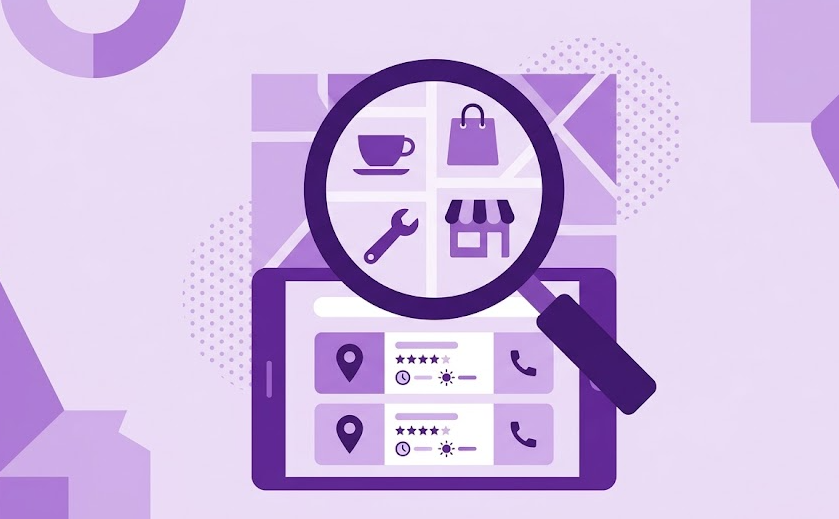
Businesses should measure calls, directions, bookings, messages, reviews, branded searches, AI citations, direct traffic, leads, and sales, not website sessions alone.
Relying only on sessions is like counting restaurant guests while ignoring takeaway orders. A business can gain customers even when organic traffic remains flat.
A useful monthly dashboard should include:
Calls from Google Business Profile and other listings
Direction requests, bookings, messages, menu views, and website clicks
Branded search impressions, clicks, and direct traffic trends
AI Overview citations, impressions, and associated landing pages
AI Mode and other answer-engine citations
New reviews, average rating, leads, and local sales
These metrics need context. A direction request is not a confirmed sale, but it signals stronger intent than an impression.
Establish a baseline across several typical weeks instead of reacting to daily fluctuations. Then compare month-over-month and quarter-over-quarter changes while noting seasonality, promotions, staffing, and major search updates.
Use Search Console to identify pages gaining visibility in available AI and search reports. Reporting features can change, so verify what is available in the account rather than assuming every business has a dedicated generative AI tab.
Because AI exposure may influence later branded searches or direct visits, compare citation and impression trends with branded demand. Do not expect a perfect trail of referral clicks.
Call tracking, booking-source fields, and a simple “How did you hear about us?” question can fill attribution gaps. Measurement will never be perfect, but it should show whether visibility produces conversations, visits, and revenue.
Build a GEO Attribution Model
Use three practical indicators:
AI citation frequency: Record how often the business or its content appears in relevant answer engines.
Branded search trend: Monitor searches for the company name, products, experts, and branded services.
Direct traffic trend: Watch visits from people who may have encountered the brand elsewhere.
Compare these indicators monthly alongside calls, bookings, and sales. Report AI Overviews and AI Mode separately because one may offer some click potential while the other may function mainly as an awareness channel.
Build an AI-Mediated Local Growth Dashboard
Combine Google Business Profile interactions, local organic sessions, calls, bookings, directions, branded search, direct traffic, AI citations, and conversion data in one monthly report. Show monthly and quarterly movement and explain likely causes.
Present it as an AI-mediated local growth report rather than a conventional traffic report. Its purpose is to reveal how visibility influences behavior across profiles, maps, answers, websites, and offline actions.
How Can Every Search Result Become a Local Customer Touchpoint?
Every search result can become a customer touchpoint when the business provides accurate information, convincing proof, and easy ways to act.
Zero-click search is not simply lost traffic; it is a new storefront. Strong profiles, clear content, current photos, trusted reviews, consistent citations, and action-focused reporting help each appearance produce value.
Start with five actions this week:
Audit the Google Business Profile for accuracy, completeness, and working links.
Upload two photos, publish one post, and answer outstanding reviews.
Claim or complete Bing Places, Apple Business Connect, and Foursquare.
Record baseline AI citations, branded searches, direct traffic, calls, and bookings.
Create a monthly report comparing profile interactions, traffic, calls, bookings, directions, leads, and sales.
To strengthen local visibility with expert support, use Scale by SEO’s services to turn nearby searches into calls, bookings, and customers.
Make every profile view useful, trustworthy, and simple enough for a customer to act immediately.
What Is a Zero-Click Search for Local Businesses?
A zero-click search occurs when a customer finds the information they need directly in search results without visiting a website. They may call the business, request directions, read reviews, or book an appointment through Google Search or Maps.
How Can a Local Business Rank in Zero-Click Searches?
A local business can improve its visibility by completing its Google Business Profile, maintaining consistent contact information, earning genuine reviews, publishing locally relevant content, and clearly describing its services and service areas.
Are Website Pages Still Important for Zero-Click SEO?
Yes. Search engines and AI platforms use website content to verify business details and generate local answers. Dedicated service pages, accurate location information, helpful FAQs, and structured data can strengthen zero-click visibility.
How Do Reviews Influence Zero-Click Search Results?
Reviews provide evidence of quality, relevance, and customer trust. A steady flow of authentic reviews with detailed responses can help customers make decisions directly from search results and may support stronger local visibility.
How Should Local Businesses Measure Zero-Click Performance?
Local businesses should track calls, bookings, messages, direction requests, profile views, branded searches, reviews, AI citations, leads, and sales. These metrics reveal customer actions that traditional website traffic reports may miss.
How Can Small Businesses Increase AI Referral Traffic?
Small businesses can earn more visitors from tools like ChatGPT and Perplexity by publishing authoritative, well-structured content that directly answers customer questions. Using clear headings, original insights, credible sources, and consistent brand mentions can make your website easier for AI platforms to discover and cite. Learn more about how small businesses can win AI referral traffic.