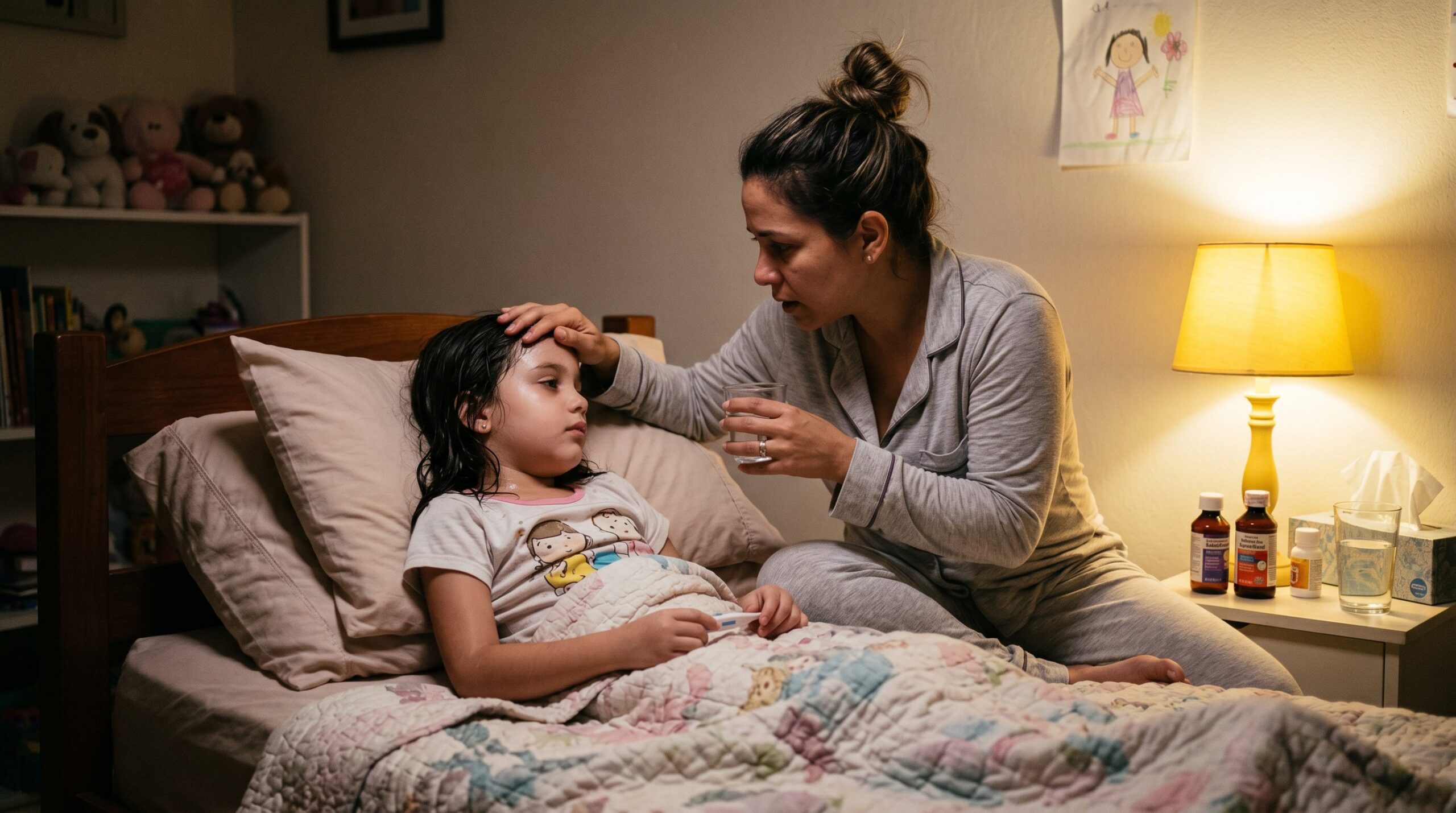
When to Go to an After-Hours Clinic: A Guide for RGV Families
Not sure when to go to an after-hours clinic vs the ER? Learn which symptoms can be treated after hours and when emergency care may be more appropriate.

Knowing the answer to "When to go to an after-hours clinic?" is not always obvious—especially when you are in pain and want answers quickly.
An earache that felt manageable at noon can become difficult to ignore by dinnertime. A twisted ankle from an evening run may begin to swell and limit movement. A lingering cough might suddenly worsen after hours. In moments like these, the emergency room can feel excessive, but waiting until your primary care provider opens may not seem like a comfortable option either.
That is where after-hours clinics can play an important role. Providers like Justin Davila, MSN, APRN, FNP-BC offer care designed to address non-life-threatening concerns outside of standard office hours. At Davila’s Clinic PLLC — Your Health, Our Priority — patients have access to primary care services that focus on individualized support. Whether it is preventive care, chronic condition management, or an unexpected after-hours concern, the clinic aims to help patients navigate their health needs in a timely and practical way.
Choosing the right place for care can affect both how quickly you are seen and how much you spend. Understanding what after-hours clinics typically handle—and when a higher level of care is needed—can help you make more informed decisions.
What an After-Hours Clinic Is and How It Differs From the ER

An after-hours clinic provides medical care during evenings and weekends when most primary care offices are closed. These clinics are designed for situations that require attention sooner rather than later but are not considered emergencies.
Emergency rooms, by contrast, are equipped to handle serious or potentially life-threatening conditions. They have access to advanced imaging, surgical teams, and hospital resources that after-hours clinics do not typically provide.
The difference comes down to severity and urgency. After-hours clinics generally treat conditions that are uncomfortable, disruptive, or concerning but not immediately dangerous. Emergency rooms are intended for situations where delaying care could lead to significant harm.
Another practical difference is cost and wait time. ER visits often involve longer wait periods and higher expenses due to the level of resources involved. After-hours clinics may offer a more efficient and cost-conscious option for appropriate conditions. For many families across the Rio Grande Valley, this distinction can make a meaningful difference. You can explore the range of available services to better understand what care may be available outside traditional office hours.
Common Symptoms and Situations for After-Hours Care: When to Go to an After-Hours Clinic

Not every health issue can wait for a weekday appointment. After-hours clinics are designed to bridge that gap by providing evaluation and guidance for a wide range of non-emergency concerns.
If you are unsure whether your symptoms are appropriate for this type of care, this guide to top-rated after-hours care in Weslaco offers additional insight into what to expect.
Minor injuries and illnesses often treated include:
-
Sore throats, coughs, and cold or flu-like symptoms
-
Low-grade fevers that are not rapidly worsening
-
Minor cuts that may need cleaning or closure
-
Ear pain, ear infections, or sinus pressure
-
Mild sprains, strains, or joint discomfort
-
Skin rashes or minor allergic reactions
These conditions can be uncomfortable and sometimes worsen without attention, but they typically do not require the advanced interventions available in an emergency room. An after-hours provider can assess symptoms, recommend treatment, and advise whether further care is needed.
When Chronic Conditions Need Same-Day Attention
Chronic conditions such as diabetes, high blood pressure, or asthma can sometimes change unexpectedly. While these situations may not always be emergencies, they often benefit from prompt medical evaluation.
For example, you might notice unusual blood sugar readings, experience side effects from a medication, or develop symptoms that feel different from your usual pattern. Waiting several days for a routine appointment may not be ideal in these cases.
After-hours clinics can help review symptoms, evaluate whether adjustments are needed, and provide guidance on next steps. This type of support aligns with comprehensive primary care services that take a broader view of your health history rather than focusing on a single issue in isolation.
Warning Signs That Require Emergency Care

While after-hours clinics are useful, they are not appropriate for every situation. Some symptoms may indicate a serious or life-threatening condition and require immediate attention in an emergency room.
Seek emergency care right away if you experience:
-
Chest pain or pressure, especially if it spreads to the arm, neck, or jaw
-
Difficulty breathing or shortness of breath
-
Signs of a stroke, including facial drooping, arm weakness, or slurred speech
-
Severe or uncontrolled bleeding
-
A serious head injury or loss of consciousness
-
Sudden confusion, severe disorientation, or a very high fever with neck stiffness
These symptoms may require rapid intervention, advanced imaging, or specialized treatment that only a hospital can provide. If you are uncertain, it is safer to seek emergency care or call 911.
After-Hours Care for Children and Older Adults
After-hours clinics can be especially helpful for families with children and for older adults managing ongoing health concerns.
Children often develop symptoms quickly, particularly fevers, earaches, or respiratory issues that appear late in the day. Having access to care outside of normal hours can help parents make informed decisions without waiting overnight. For more details, see late-night care for children in Weslaco.
Older adults may face different challenges, including multiple medications, chronic conditions, and symptoms that can change more rapidly. An after-hours clinic with a primary care focus can consider these factors when evaluating concerns, helping ensure that care decisions account for the full medical picture.
In many cases, a community-based clinic environment may also feel more manageable and less overwhelming than a busy hospital setting.
When you are unsure when to go to an after-hours clinic, it helps to consider whether your condition needs prompt attention but is not life-threatening. After-hours care can be a practical option for many common concerns, while more serious symptoms should always be evaluated in an emergency setting.How to Prepare Before Your Visit
Taking a few minutes to prepare before heading to an after-hours clinic can help make your visit smoother and more efficient.
Bring the following items:
-
A list of current medications, including dosages
-
Information about any known allergies
-
Notes on when your symptoms started and how they have progressed
-
Your insurance card and a valid ID
If you are managing a chronic condition, recent readings—such as blood pressure logs or blood sugar levels—can provide helpful context for your provider.
It is also a good idea to think about follow-up care. After your visit, you may need to schedule a regular appointment to continue monitoring your condition. You can learn more about how to schedule a primary care appointment to keep your care consistent over time.
Conclusion: When to Go to an After-Hours Clinic
Knowing when to go to an after-hours clinic can make a meaningful difference when you are dealing with unexpected symptoms outside of regular office hours. For non-life-threatening concerns like minor illnesses, injuries, or changes in chronic conditions, after-hours care may offer a timely and practical option. At the same time, recognizing serious warning signs helps ensure you seek emergency care when it is truly needed. When you understand your options and preparing ahead, you can make more informed decisions about where to go when care cannot wait. If you are unsure whether your situation is appropriate for after-hours care, contacting the clinic ahead of time can help clarify your options. Visit Davila’s Clinic or use the contact page to ask questions or plan your visit.
When should I go to an after-hours clinic instead of the ER?
Consider an after-hours clinic for non-life-threatening issues such as sore throats, mild fevers, ear pain, or minor injuries. For symptoms like chest pain, breathing difficulty, stroke warning signs, or severe bleeding, emergency care is more appropriate.
What symptoms can after-hours clinics evaluate?
After-hours clinics commonly assess cold and flu symptoms, minor injuries, rashes, ear infections, and certain chronic condition concerns that need timely review.
How does after-hours care differ from emergency care?
After-hours clinics focus on urgent but manageable conditions outside regular office hours. Emergency rooms are equipped for serious or life-threatening situations requiring advanced resources.
What should I bring to my visit?
Bring identification, insurance information, a medication list, allergy details, and notes about your symptoms. Any recent medical records can also be helpful.
Are after-hours clinics open on weekends?
Yes. Davila's Clinic in Weslaco is open Saturday from 8:00 AM to 1:00 PM and weekday evenings (Monday, Tuesday, Thursday, and Friday from 5:00 PM to 9:00 PM).
Can children and older adults be seen at after-hours clinics?
Yes. After-hours clinics can evaluate patients of all ages, with care adapted to individual health needs and medical history.